Tag

Commercial Roof Leaks

Quick Fixes for Spray Foam Roof Systems

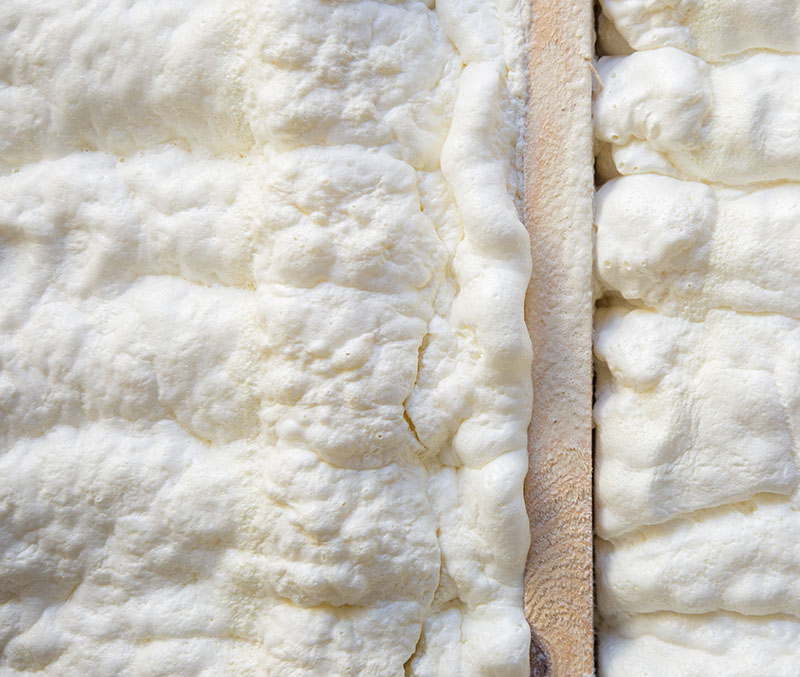
example of spray foam insulation on wall

Quick Fixes for Spray Foam Roof Systems

Maintaining a roof system is one of the most important ways to extend the lifespan of your property and keep it safe from weather elements. Spray foam roofs are an increasingly popular option for building owners. They offer versatile durability and efficient energy use, but like all structures, they benefit from regular inspections and maintenance. To help you keep up with care for your spray foam roof, here are some easy-to-implement quick fixes. These can ensure its proper functioning for years to come!

Inspect the roof regularly for any cracks, punctures, or damage

Maintaining a quality roof requires regular inspections. Inspections every season, every year, and after any major weather events. Find trusted professionals who can take a look and help you identify any existing damage. Or identify areas that may be susceptible to future problems. Need to determine if there’s any rot, punctures, open seams, cracks, or evidence of leaks (water staining) in tiles or shingles. Small damaged areas can cause big problems. Getting out regularly and identifying these issues early can lead to greater peace of mind and potential long-term savings on repairs.

Check for any gaps or open seams that need to be sealed

When it comes to sealing gaps and open seams, it’s important to check that all areas are sufficiently sealed. This is especially relevant in regions with severe weather conditions. As open seams can make your home susceptible to heat loss. Additionally, looking for any openings that need to be sealed can help keep out pests like rodents and insects. Taking a few minutes to check for any openings around the house can help maintain a comfortable temperature. It can also provide peace of mind when it comes to pest control.

Clean your spray foam roof system of debris, dirt, and leaves

Keeping your spray foam roof system free of debris, dirt, and leaves is essential for its longevity. Removing any buildup of materials can help to make sure that your roof system maintains its optimal condition and performance. Regularly cleaning your spray foam roof system will prevent damage from water or dirt build-up. It will also protect it from mold growth and deterioration. Taking a few minutes every few months or so to clean up the surface of your roof can ensure that you get the full use out of it for years to come.

Reapply sealant to exposed areas that may be damaged or worn down

Keeping your building or structure properly sealed is an important part of protecting it against water, humidity, and other outside elements. The sealant applied to your windows, doors, and other exposed areas is there to provide a barrier that is both effective and durable. However, over time these sealants can be worn down or damaged by external factors like heat, cold, and age. To ensure the security of your property, it’s essential that you reapply the sealant whenever you notice any damage or wear. So that further damage does not occur and your home remains protected. Regular reapplication of sealant will save you money and time in the long run. Reapplication helps protect against water damage, insulation issues, and more.

Replace any broken or missing parts of the roof system

Keeping a roof in good working condition is important for protecting a building’s occupants and contents from the elements. As such, it is important to be proactive and replace any broken or missing parts of the roof system as soon as possible. This may involve inspecting all components of the roof . Inspecting the fascia, rafters, soffits, and gutter systems to shingles, tiles or slates. And replacing parts that are no longer functioning correctly. With proper maintenance and repair, you can ensure your roof remains reliable for years to come.

Monitor the temperature of your foam roof system – warm temperatures can cause it to expand and contract quickly, causing further damage

Maintaining your foam roof system by monitoring temperatures is of the utmost importance. Especially in warm weather. Where fast expansion and contraction due to extreme temperatures can cause serious damage. The best way to ensure that your foam roof remains in top condition is to keep an eye on the temperature readings. Making any necessary adjustments to avoid drastic changes. Regular inspections, either done yourself or by a roofing technician, can prevent a minor issue from becoming a major one. When it comes to foam roof systems, temperature control is key!

Preserving your roof system by getting into the habit of performing regular maintenance is key. Striving for a few minutes each month can have a huge impact on saving you time, money, and stress caused by potential damages in the future. It may seem tedious to inspect, clean, seal, and replace parts. But this will add years to the life of your foam roof system and save you from unexpected downtime and repairs. Don’t let yourself be caught off guard by an unexpected roof repair bill. Make sure to keep up-to-date on regularly scheduled inspections and maintenance!
The Importance of Commercial Roof Maintenance

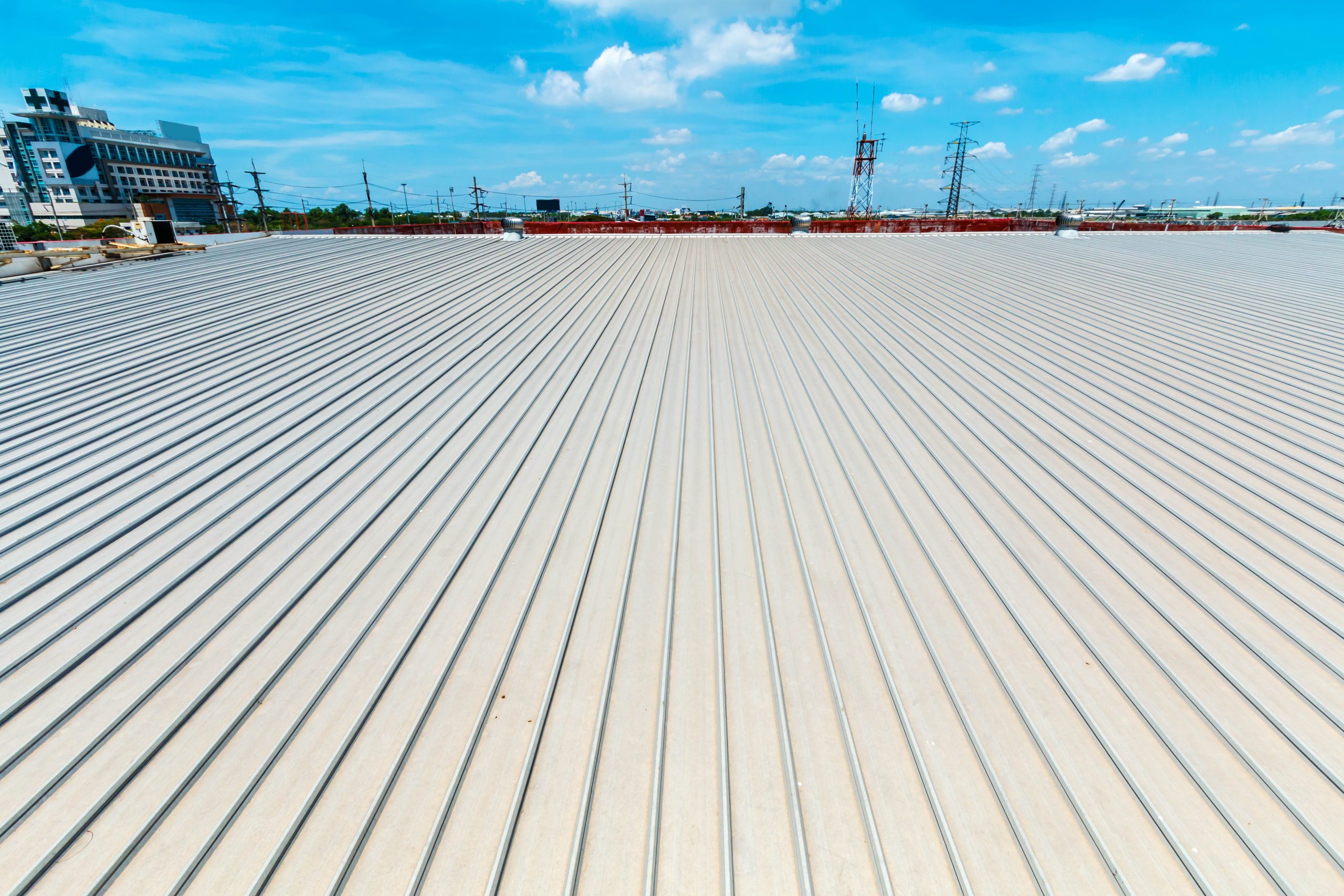
metal flat commercial roof
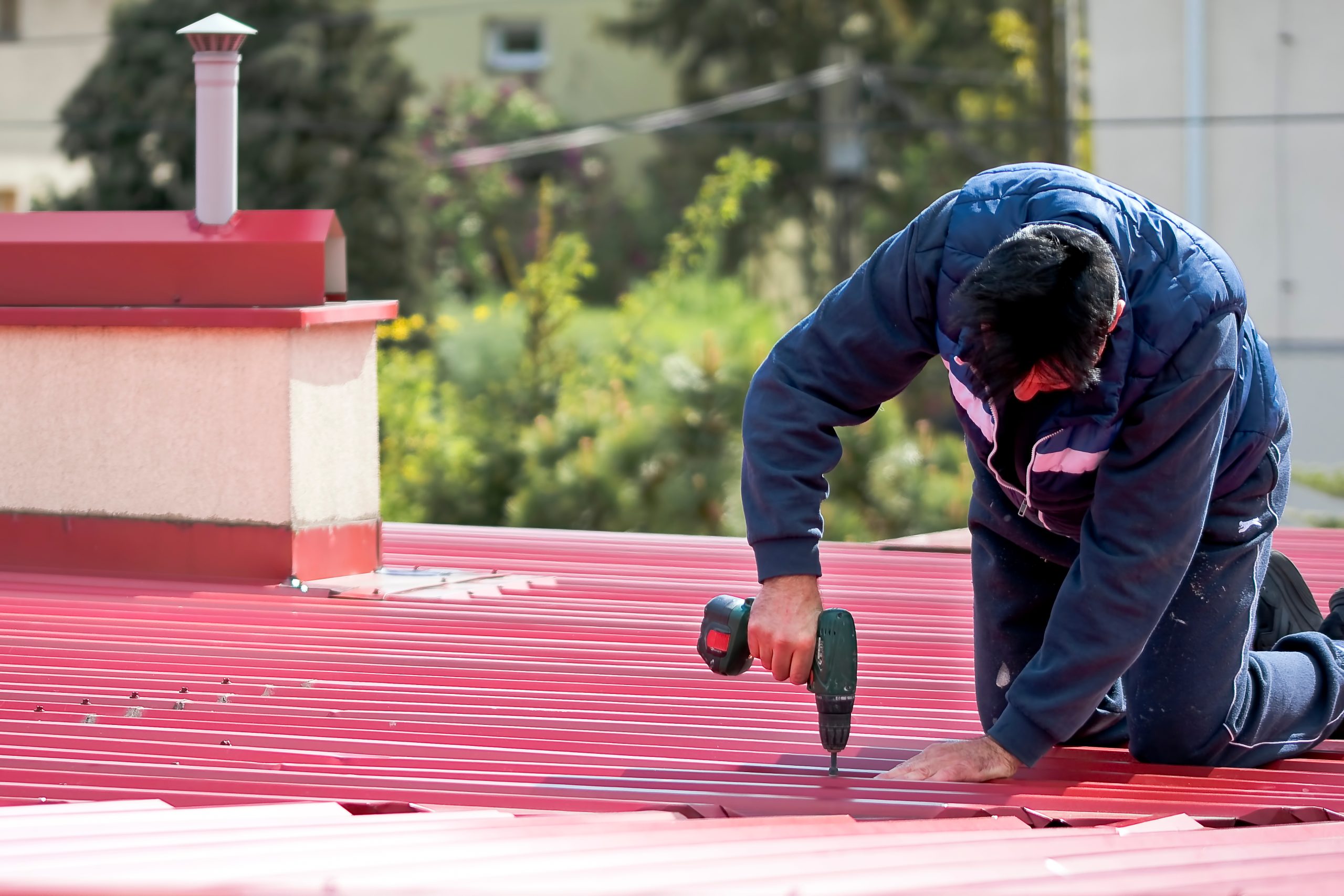
commercial roof maintenance guy repairs roof

Proactive Maintenance of Your Commercial Roof Matters. Here’s Why and How 


Your roof is one of your most important assets. It protects your people, your property, your profits — reliably, silently, day after month after year. That’s why commercial roof maintenance is one of the smartest investments you can make in your business. When you’re good to your roof, it will be good to you.  


Achieving the long-term performance you need comes down to a single word: maintenance. Regular inspections, prompt identification of issues, and immediate completion of repairs are central to preventive maintenance. This mitigates damage and extends the life of your roof.  


What to Think About When Thinking about Maintenance  


Knowing what’s happening with your roof is central to keeping your facility in top-notch shape. Here are several things to keep in mind.   

Develop an ongoing relationship with a professional roofing contractor.

Often that’s the company that installed your roof. They’re already familiar with you, your property, and your business. So they’re in the best position to know when something is wrong. Another good idea is working with an outfit from your area. This way they will be familiar with everything from local weather to governmental regulations. And should you need to find a different partner, be sure to thoroughly check credentials and experience. Commercial roofing is not a job for amateurs. So you want to work with knowledgeable pros.   

Establish a schedule of periodic roof inspections and stick to it.

For commercial properties, the National Roofing Contractors Association recommends twice a year. Spring and fall make sense to find damage that may have occurred during harsh winter blizzards and volatile summer storms. In case of extraordinary events like a tornado, nearby fire, break-in and vandalism, or any unexpected occurrence, contact your inspector immediately to take a look. Having your facility manager spot-check your roof in between major inspections makes sense as well.  

when to scheduke your commercial roof maintence appointment

Know what kind of roofing system is atop your building.

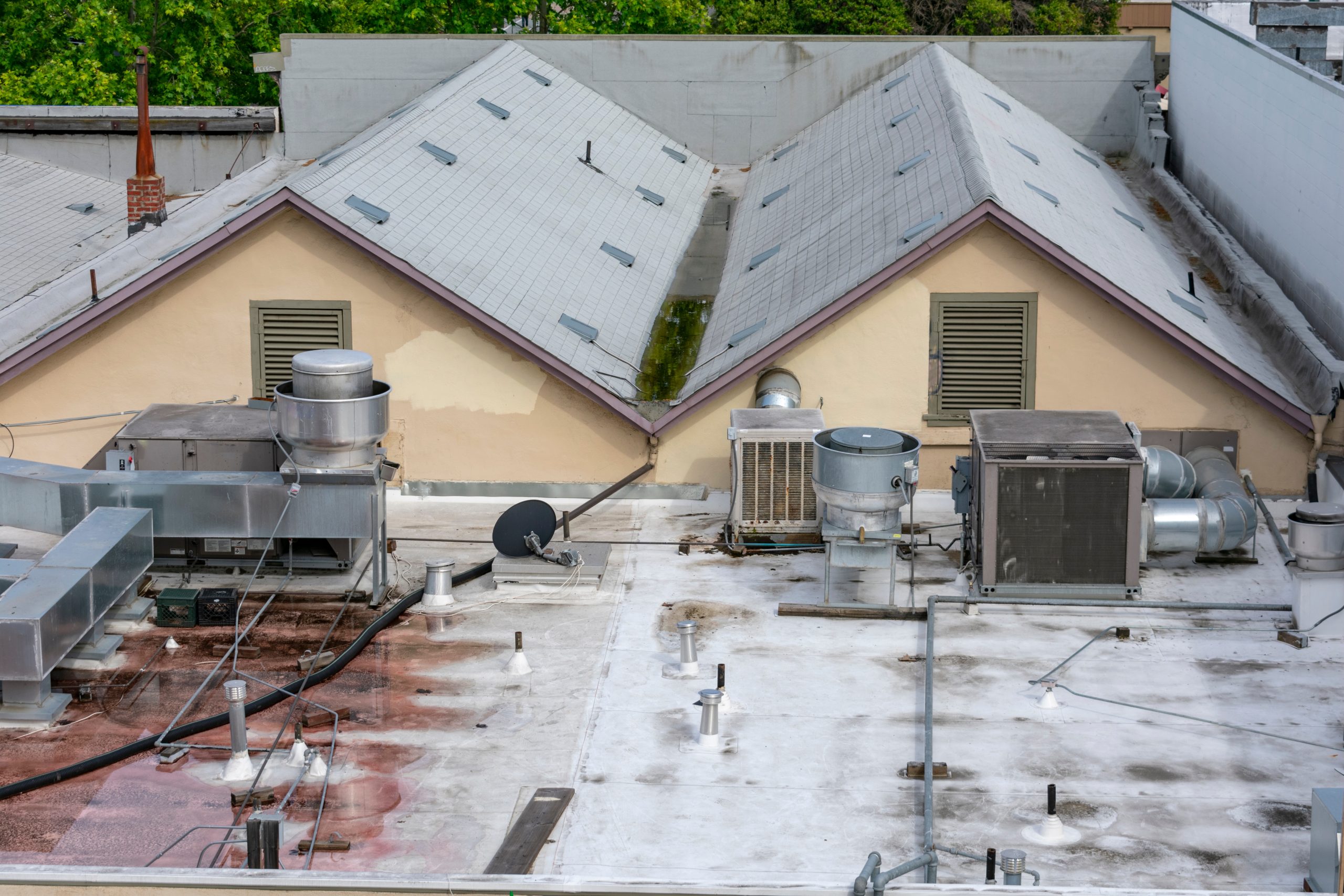
Many inspection and commercial roof maintenance activities apply to every structure. But you might have different systems with variations in requirements and weaknesses. For example, spray polyurethane foam (SPF) is susceptible to UV deterioration. While the gravel layer topping built-up roofing (BUR) can be loosened by severe wind and rain. Things like seams that pull apart, gaps between flashings and HVAC vents, and seals around drains and cornices can differ by roofing system. Eventually all may weaken and fail over time. By creating ponding on flat surfaces, drains blocked by leaves, dirt, waste, trash, or other debris are a problem for every roof. Make sure your contractor is knowledgeable about your specific system and its peculiarities. You should be too.  

Keep a log of all roof-related actions

Keep a log of all roof-related actions. Include written records, photos, videos, and CAD drawings of every inspection and repair. This is particularly important as your roof ages so you can keep track of what’s happened over time. Such knowledge helps you know which repairs are done over a roof’s lifespan and when replacement might make sense. Should you need to file an insurance claim or warranty adjustment, you’ll be asked to provide such information in detail. Plus, many policies and warranties require proof of periodic inspection to remain in force.  


Understanding the Inspection Process  


Setting up a contract with your roofing partner is the best way to make sure inspections happen semi-annually and on time. Some contractors offer multiple inspection and maintenance options at various price points. You can choose what’s best for you.  

 The Process

The contractor needs to follow an established process to ensure your inspection is thorough and careful. Using an inspection checklist is essential. You’ll want to review it ahead of time so you know what to expect. If you’re not familiar with inspection checklists, look online for samples. Many formats are available. You’ll want to make sure yours includes information (size, age, system, location) about your roof, details about roofing components (HVAC, stacks, drains, gutters), and a list of inspection items to be analyzed and described.  

 The Review

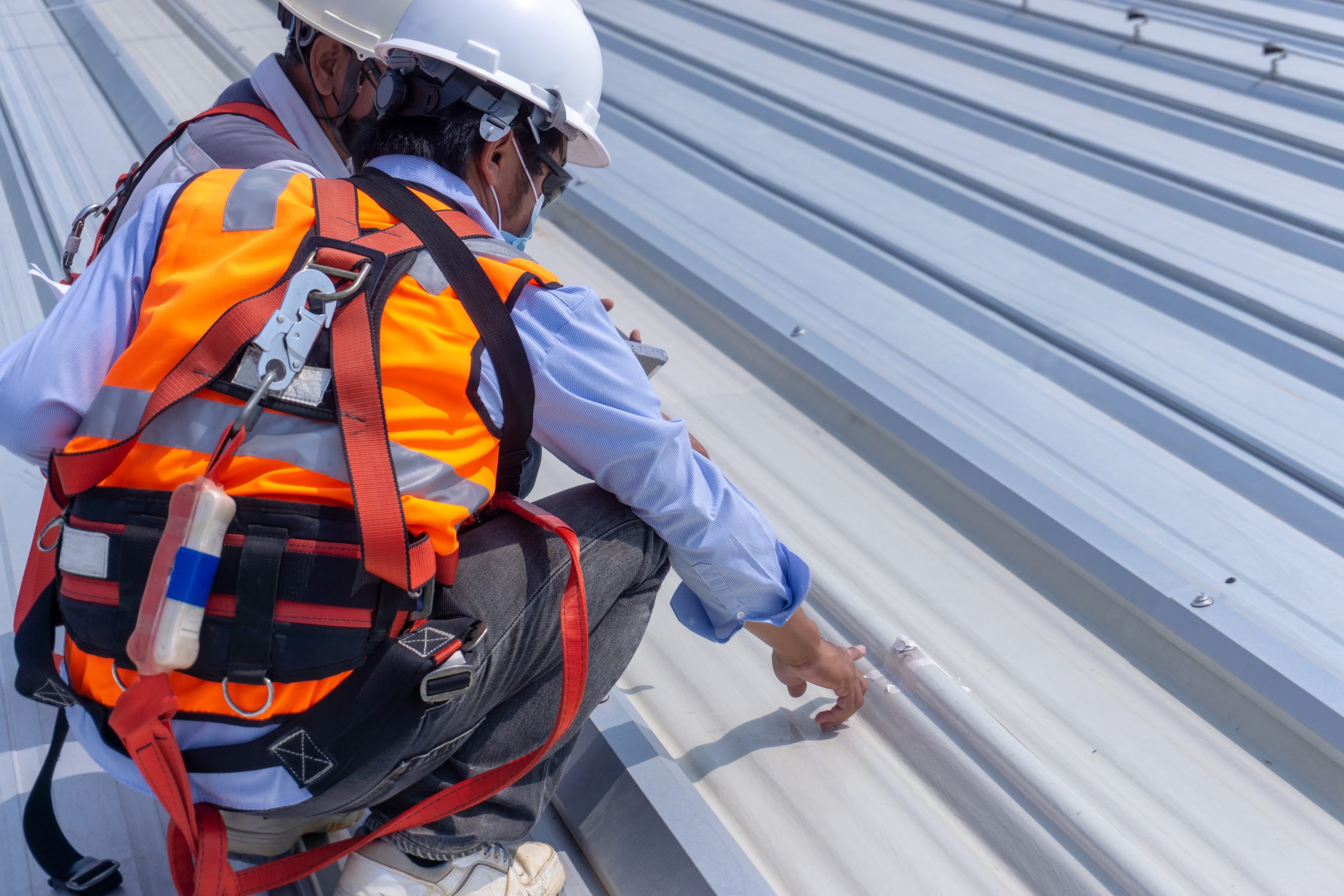
The actual review starts inside your building, as the inspector looks for evidence of leaks and water damage. Walking the rooftop follows, starting at the perimeter and working toward the middle. Now the inspector is looking for ponding, holes, cracks, gaps, blisters, uplifted seams, protruding nails, broken seals, loose flashings, lifted edges, litter, algae, and anything else outside the norm. The inspector may take a few core samples (which are repaired) of the roofing material. This helps determine the number of layers, type and age of the system, moisture saturation, and other relevant facts. Expect the comprehensive inspection of a flat, 20,000-square-foot roof to take about an hour.  

commercial roof maintenance on flat roof

A report follows, generally within a few days. This document describes findings, along with photos and videos. It details the roof’s overall condition, specific deficiencies discovered during the inspection. It also includes any repair recommendations and a quote for proposed work.  


In addition to the time-tested physical inspection process, new technologies provide even more detail about roof condition. These include drones that fly around your building’s exterior to record close-up footage of surface regions and infrared inspection. It uses thermal imagery to find signs of weakness or damage not visible to the naked eye. Your inspector will analyze data provided by these techniques and incorporate outcomes into their report.  


Investing Now Avoids Expense Later  


The cost of a commercial roof maintenance inspection varies. It depends on factors like roof size, type, age, accessibility, slope, number of penetrations, climate, building location, and more. Price is often calculated by size; between $0.05 and $0.10 per square foot is the norm. With the disclaimer that costs are volatile at this time (February 2023) and could well be more. Typically, the price for inspecting a 10,000-square-foot roof ranges between $500 and $1,000. Some contractors provide inspections free of charge, often as a prelude to doing whatever repair work is indicated as a result. Negotiating a long-term agreement for ongoing maintenance usually includes setting the inspection price upfront, which is efficient and hassle-free.  


Despite the temptation to stretch out inspection intervals or forego the process altogether, procrastination will cost you in the long run. So does putting off indicated fixes. Because left unattended, small issues can quickly grow into big, pricey repairs. The solution: proactive inspection and ongoing maintenance, for peace of mind that all is well.   

Commercial Roof Leaks & Causes

commercial roof leak
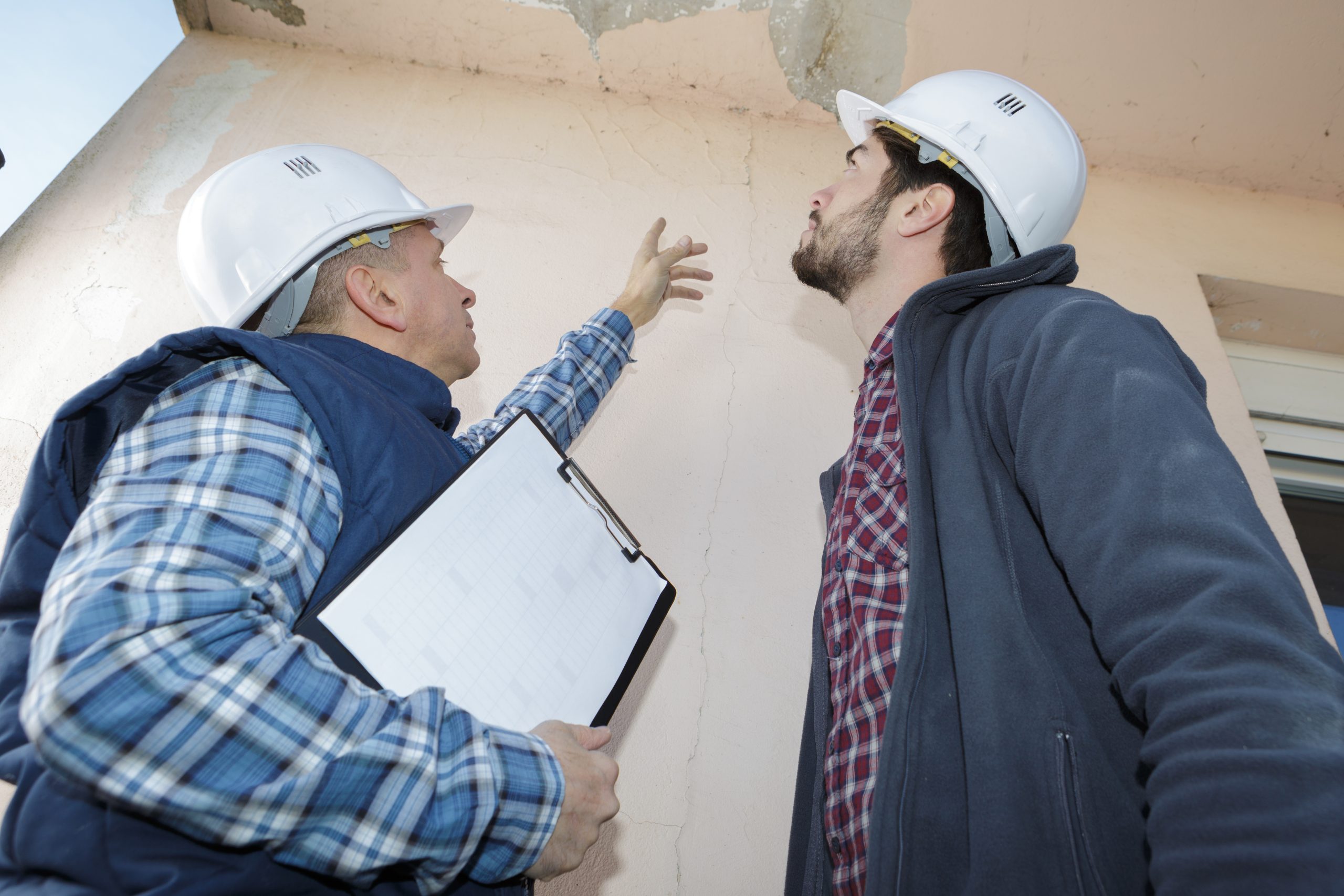
Engineers inspecting a commerical roof leak

Your Commercial Roof Is Leaking. Now What? 


Drip, drip, drip. As a building owner or property manager, that is not a sound you ever want to hear. But when drip, drip, drip happens, ignoring it has consequences that accelerate over time. And just in case you’re thinking about ignoring the problem, consider this: 70% of commercial property damage comes from water intrusion. In other words, commercial roof leaks matter, a lot.  


How Leaks Happen  


Sometimes leaks are obvious, like when a tornado, hurricane, blizzard, or other devasting event punches an actual hole through the roof into your structure. Weather is a top cause of commercial roof leaks, and when catastrophic damage happens, it must be addressed immediately.  


But there are plenty of less turbulent forces that cause leakage as they constantly impact your roof.  

 Bad Drainage

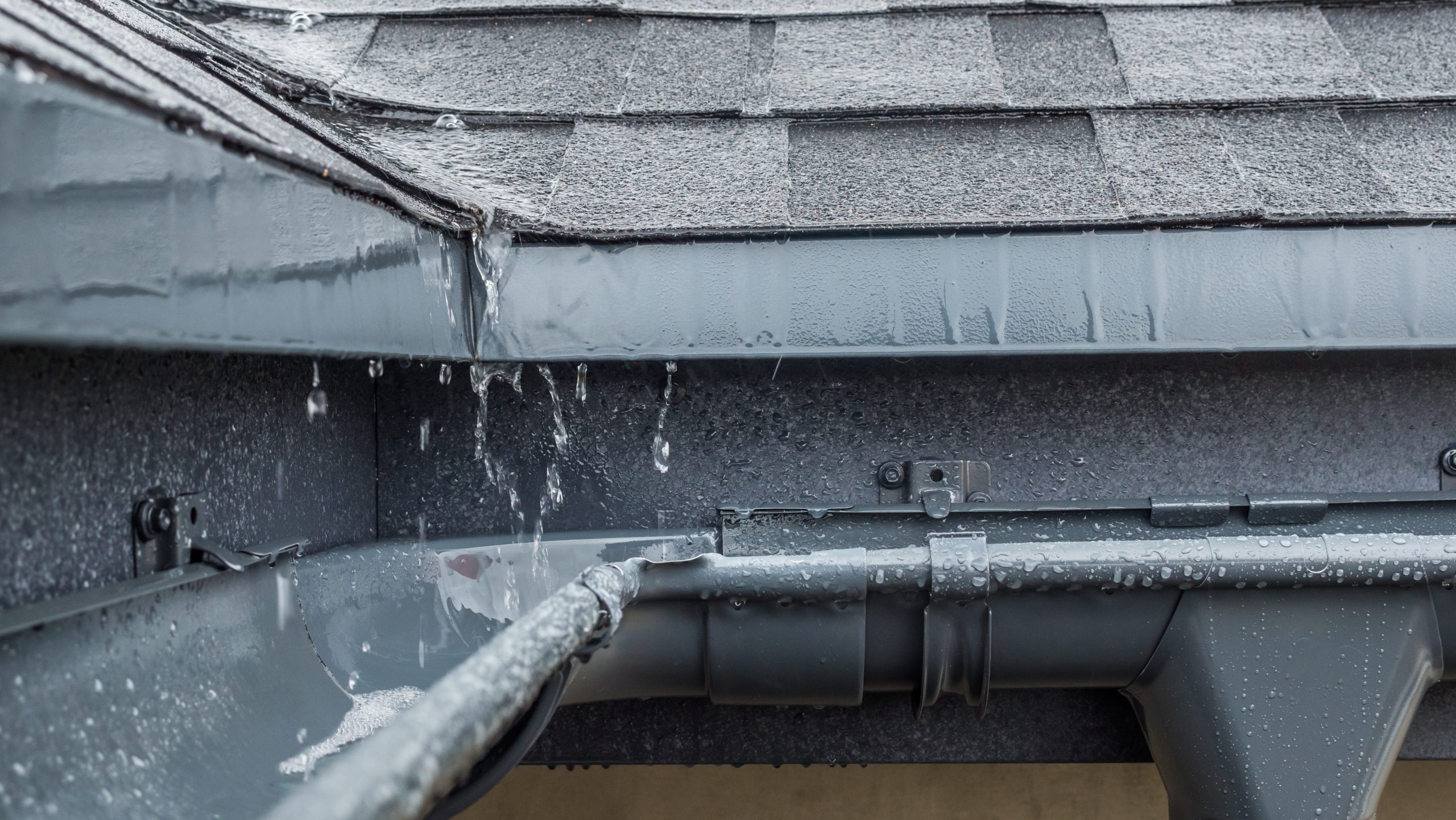
Bad drainage means that rather than channeling water off the roof’s surface, scuppers, gutters, and downspouts are blocked, clogged, and not working properly. As a result, water is pooling and staying on the roof rather than draining away from the building. Eventually such pooling deteriorates the roof’s structure as water seeps through cracks, crevices, and weak spots to find a path to lower ground. Ponding water also puts weight on your roof. A mere one-inch-deep pool of water weighs more than 5 pounds per square foot of surface area; multiply that over a 25-foot-wide puddle to understand how quickly the stress on your building adds up. Ice dams cause similar problems, as do snow melt and refreeze.  

Material Damage

Material damage to the membrane that covers your roof, the base substrate under the membrane, and/or the flashings that seal the perimeter are common causes of leaks. Over time, the membrane can crack, split, or shrink, compromising its integrity. Heavy foot traffic, debris, UV rays, and pollution are often at fault. Breaks in the membrane expose the substrate, allowing damage to spread. Flashings are thin strips of metal or similar material that protect the membrane’s edges and seal the joints between different parts of the roof. Over time, flashings expand and contract with temperature changes and are loosened by storms, inhibiting their capacity to prevent water seepage into the building’s interior.  

Deteriorating Seals

Deteriorating seals around penetrations for HVAC units, conduits, drains, hot stacks, skylights, vents, and other protrusions let water penetrate the membrane and spread inside the building. Each hole must be sealed properly and tightly around the penetration, with closures monitored and maintained over time.  

Aging

Aging is a fact of roofing life. Commercial flat roofs typically last 15 to 20 years; after that, even with proper maintenance, they deteriorate beyond repair and need to be replaced.  

Improper Installation

Improper installation or system mismatch can compromise a roof from the outset. Commercial roofs are complex structures that require installation by qualified, knowledgeable contractors to function properly. Different types of systems are available, with SPF (spray polyurethane foam), BUR (built-up roofing), and single-ply membranes (EPDM, TPO, and PVC) most common for commercial purposes. But which type of roof is appropriate for what application is a complicated decision that impacts every aspect of your facility.  

spotting a commercial roof leak

Why Leaks Matter  


Anytime water is visible within your building, your roof is leaking somewhere. Understanding that is important for a number of reasons, starting with customer and employee health and safety concerns. Water is a hazard but often difficult to see, especially in small puddles on the floor. A wrong step can cause a slip-and-fall incident, with potential injury and lawsuits as a result. Growth of mold and mildew in damp spaces is another risk, especially for those with respiratory illnesses or immunity concerns. Water stains on walls and ceilings are not only unpleasant to look at; if severely damaged, building materials like drywall and ceiling tiles can actually rot and fall.   


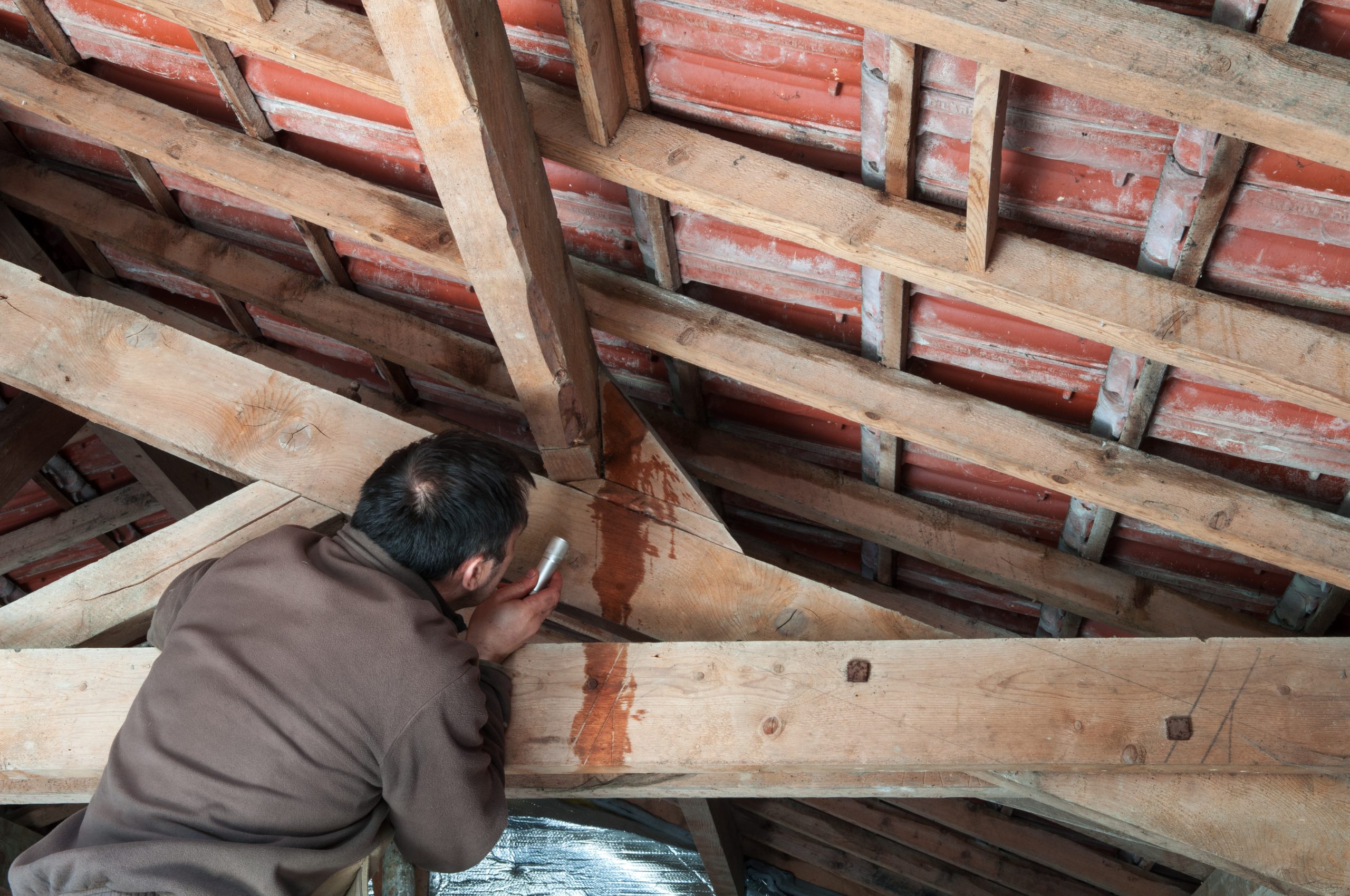
The same is true for the wood framing, joists, trusses, and rafters that make up the framework of your building. Wood absorbs moisture, causing it to expand and contract, affecting structural integrity to the eventual point of collapse. Electrical wiring is equally vulnerable. Over time, water exposure causes moisture-proof coatings to become brittle and crack, exposing the wiring beneath. Outlets, fixtures, panels, and switchboxes can short out, spark, and trigger a fire, which is a disaster no one wants.  


Higher energy bills are yet another indicator that your roof is no longer fully intact. Water-saturated insulation caused by leakage can lead to a 40% loss in R-value; before long, this expense shows up in inflated costs as you try to keep your building property heated and cooled.  

building inspectors identify roof damage

What To Do  


Sooner or later, most commercial roofs leak. Handling the issue quickly and efficiently is key to containing damage and keeping repair costs under control. Several steps make up your action plan.  

 Don’t panic but take the leak seriously

Commercial roof leaks inevitably get worse, so dealing with them as soon as possible means the roof should be repairable. But be prepared and have emergency funds available so you can act fast. 

Clear the affected area of people, supplies, and equipment

That confines damage to the smallest possible space and protects valuable resources. Collect water in a bucket and mop frequently to keep the floor dry. If you have large, heavy objects that can’t be moved, cover them with plastic to prevent damage.   

Pinpoint and mark the source of the leak

Try to do this while it’s still raining or snowing so you know where water is coming in. Once the area dries, finding the intrusion is tough. When conditions are safe, get onto the roof to check for ponding; also make sure drains, downspouts, and gutters are clear and working properly. While you’re at it, look for other problems, just in case.  

Contact your roofing contractor partner

Contact your roofing contractor partner to assess the damage and determine the repair. Then get the roof fixed promptly and professionally before damage spreads.    

Talk to your insurance agent

Talk to your insurance agent and review your warranty. Depending on the cause of the leak, coverage may be available to offset repair costs.  


Weather is a top cause of commercial roof leaks, and when catastrophic damage happens, it must be addressed immediately. To stay ahead of water problems, you want to set up a twice-yearly inspection and maintenance program with your roofing partner. Working with your contractor to maintain the integrity of your roofing system is the best possible strategy for protecting your facility and the people and property inside