Tag

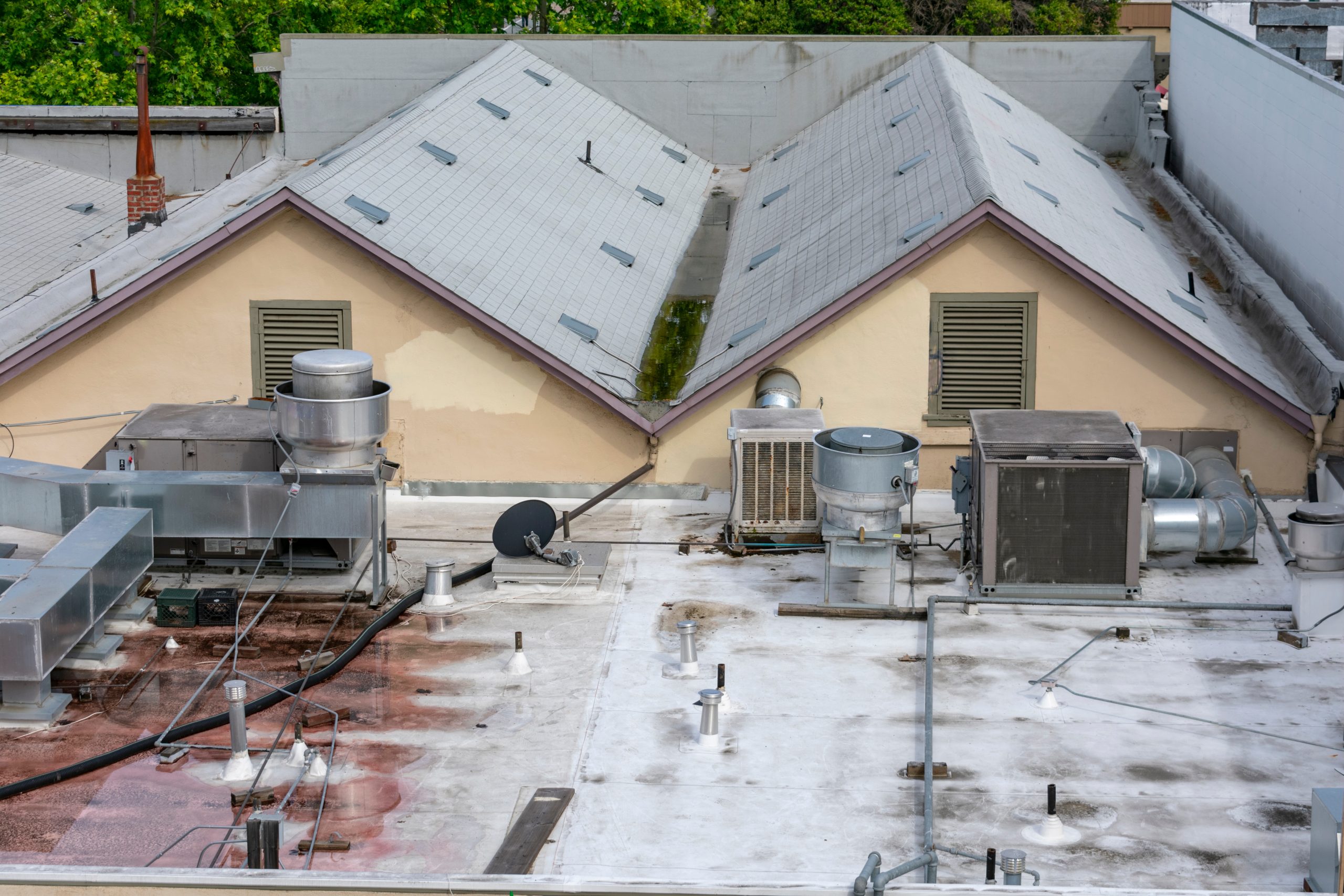
Flat Roofs

Quick Fixes for Spray Foam Roof Systems

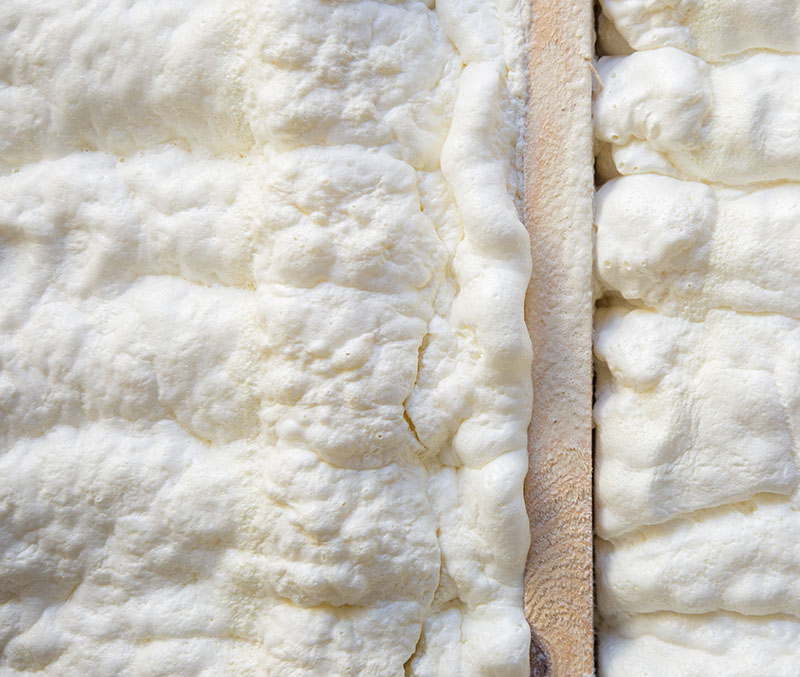
example of spray foam insulation on wall

Quick Fixes for Spray Foam Roof Systems

Maintaining a roof system is one of the most important ways to extend the lifespan of your property and keep it safe from weather elements. Spray foam roofs are an increasingly popular option for building owners. They offer versatile durability and efficient energy use, but like all structures, they benefit from regular inspections and maintenance. To help you keep up with care for your spray foam roof, here are some easy-to-implement quick fixes. These can ensure its proper functioning for years to come!

Inspect the roof regularly for any cracks, punctures, or damage

Maintaining a quality roof requires regular inspections. Inspections every season, every year, and after any major weather events. Find trusted professionals who can take a look and help you identify any existing damage. Or identify areas that may be susceptible to future problems. Need to determine if there’s any rot, punctures, open seams, cracks, or evidence of leaks (water staining) in tiles or shingles. Small damaged areas can cause big problems. Getting out regularly and identifying these issues early can lead to greater peace of mind and potential long-term savings on repairs.

Check for any gaps or open seams that need to be sealed

When it comes to sealing gaps and open seams, it’s important to check that all areas are sufficiently sealed. This is especially relevant in regions with severe weather conditions. As open seams can make your home susceptible to heat loss. Additionally, looking for any openings that need to be sealed can help keep out pests like rodents and insects. Taking a few minutes to check for any openings around the house can help maintain a comfortable temperature. It can also provide peace of mind when it comes to pest control.

Clean your spray foam roof system of debris, dirt, and leaves

Keeping your spray foam roof system free of debris, dirt, and leaves is essential for its longevity. Removing any buildup of materials can help to make sure that your roof system maintains its optimal condition and performance. Regularly cleaning your spray foam roof system will prevent damage from water or dirt build-up. It will also protect it from mold growth and deterioration. Taking a few minutes every few months or so to clean up the surface of your roof can ensure that you get the full use out of it for years to come.

Reapply sealant to exposed areas that may be damaged or worn down

Keeping your building or structure properly sealed is an important part of protecting it against water, humidity, and other outside elements. The sealant applied to your windows, doors, and other exposed areas is there to provide a barrier that is both effective and durable. However, over time these sealants can be worn down or damaged by external factors like heat, cold, and age. To ensure the security of your property, it’s essential that you reapply the sealant whenever you notice any damage or wear. So that further damage does not occur and your home remains protected. Regular reapplication of sealant will save you money and time in the long run. Reapplication helps protect against water damage, insulation issues, and more.

Replace any broken or missing parts of the roof system

Keeping a roof in good working condition is important for protecting a building’s occupants and contents from the elements. As such, it is important to be proactive and replace any broken or missing parts of the roof system as soon as possible. This may involve inspecting all components of the roof . Inspecting the fascia, rafters, soffits, and gutter systems to shingles, tiles or slates. And replacing parts that are no longer functioning correctly. With proper maintenance and repair, you can ensure your roof remains reliable for years to come.

Monitor the temperature of your foam roof system – warm temperatures can cause it to expand and contract quickly, causing further damage

Maintaining your foam roof system by monitoring temperatures is of the utmost importance. Especially in warm weather. Where fast expansion and contraction due to extreme temperatures can cause serious damage. The best way to ensure that your foam roof remains in top condition is to keep an eye on the temperature readings. Making any necessary adjustments to avoid drastic changes. Regular inspections, either done yourself or by a roofing technician, can prevent a minor issue from becoming a major one. When it comes to foam roof systems, temperature control is key!

Preserving your roof system by getting into the habit of performing regular maintenance is key. Striving for a few minutes each month can have a huge impact on saving you time, money, and stress caused by potential damages in the future. It may seem tedious to inspect, clean, seal, and replace parts. But this will add years to the life of your foam roof system and save you from unexpected downtime and repairs. Don’t let yourself be caught off guard by an unexpected roof repair bill. Make sure to keep up-to-date on regularly scheduled inspections and maintenance!
The Importance of Commercial Roof Maintenance

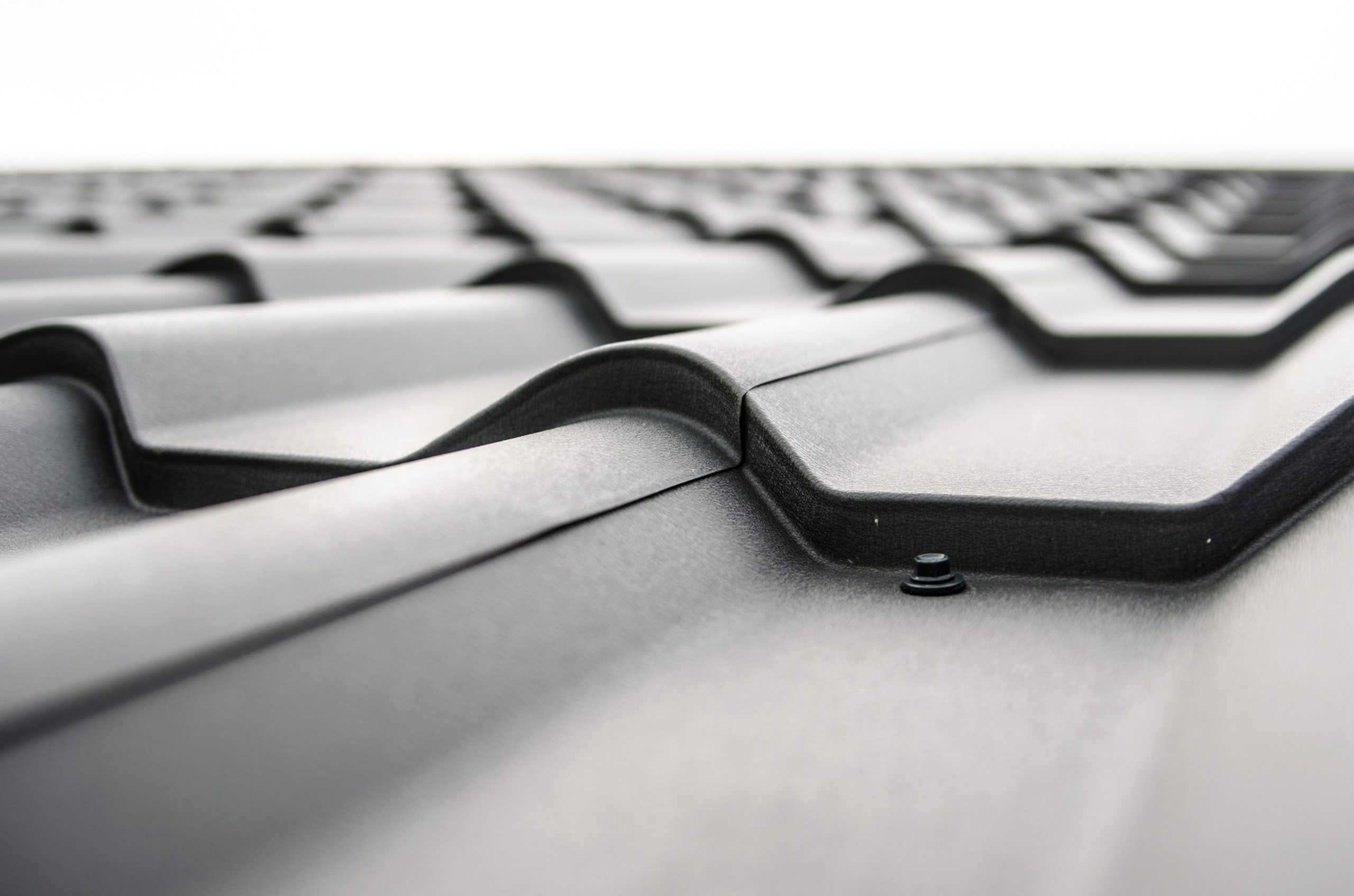
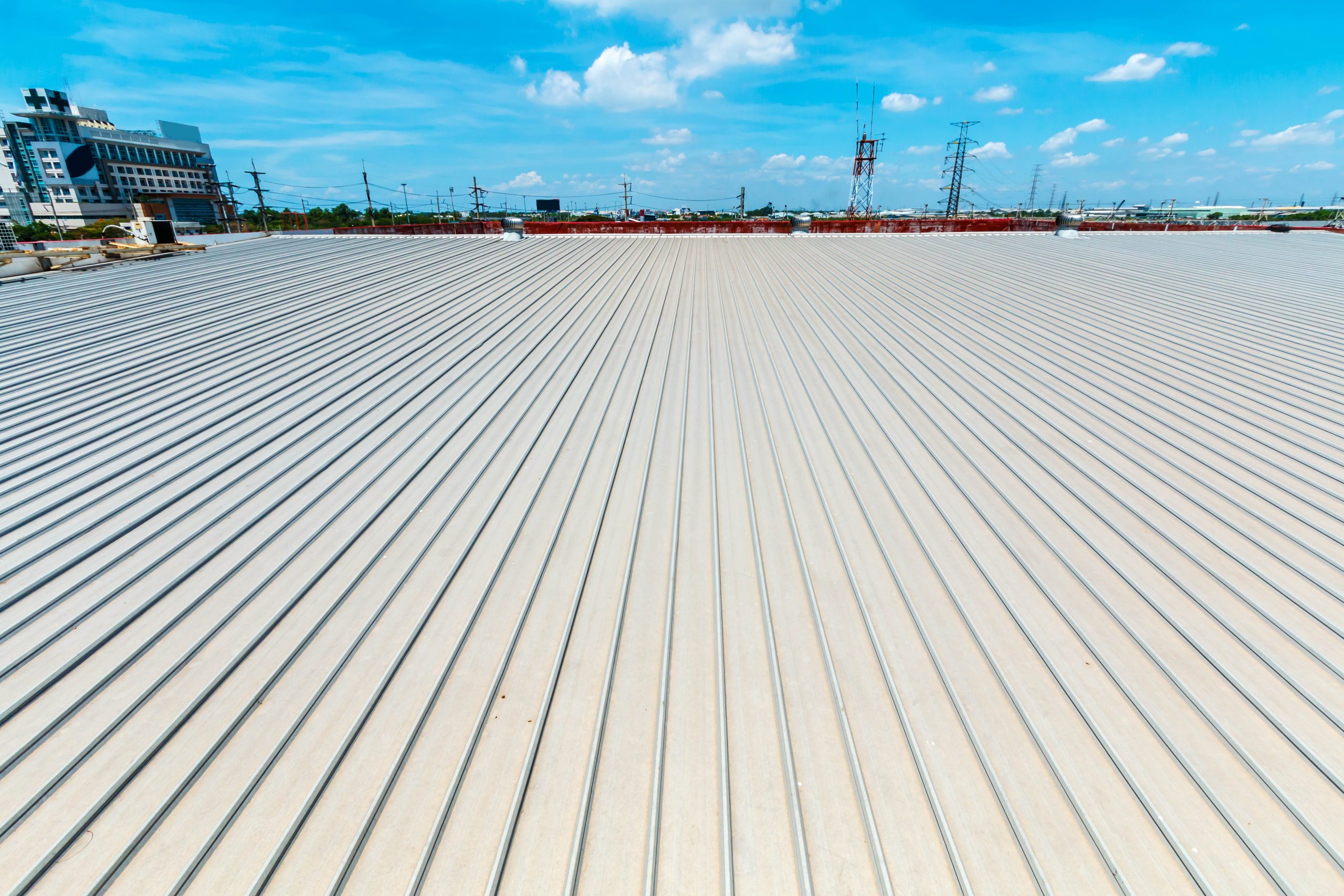
metal flat commercial roof
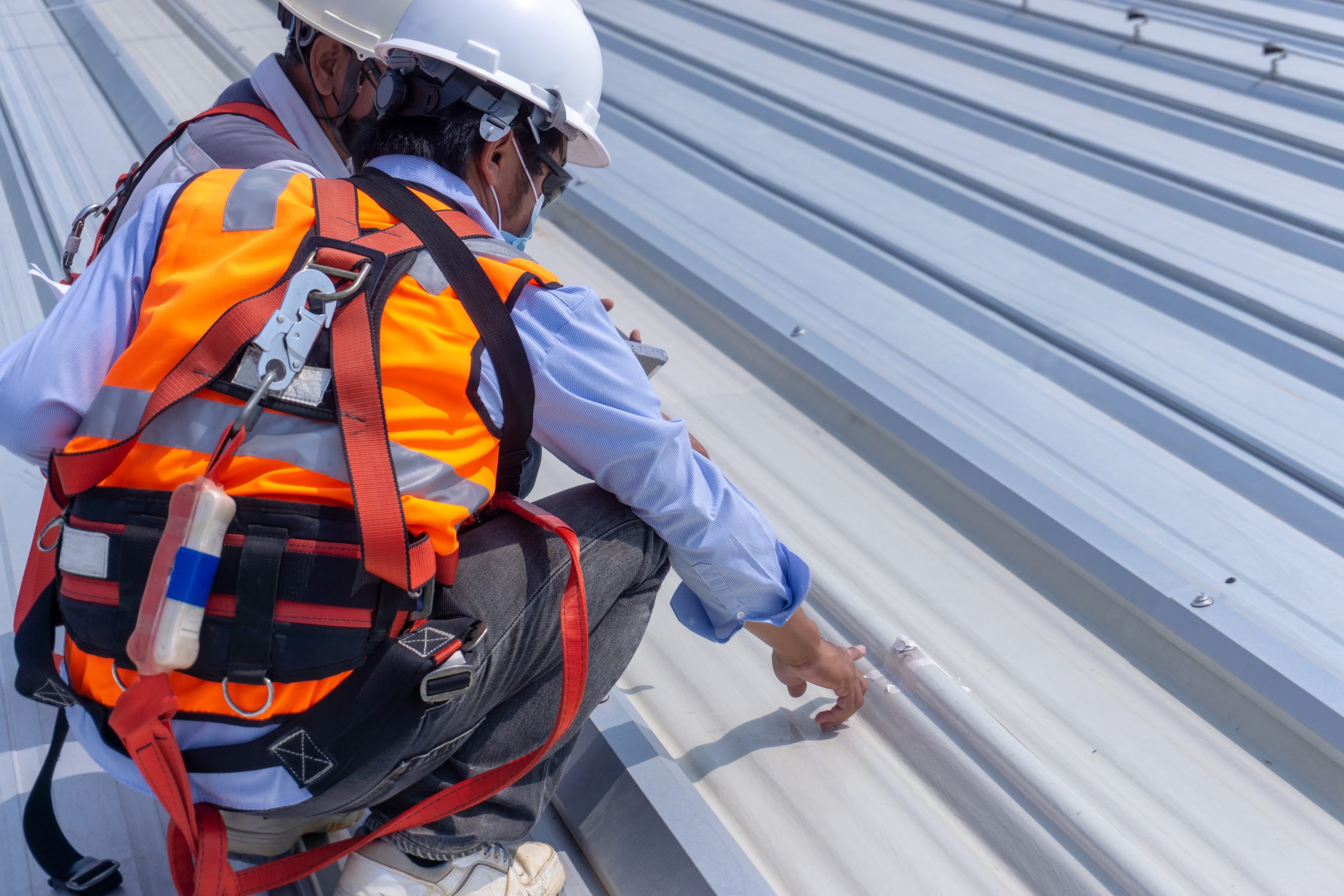
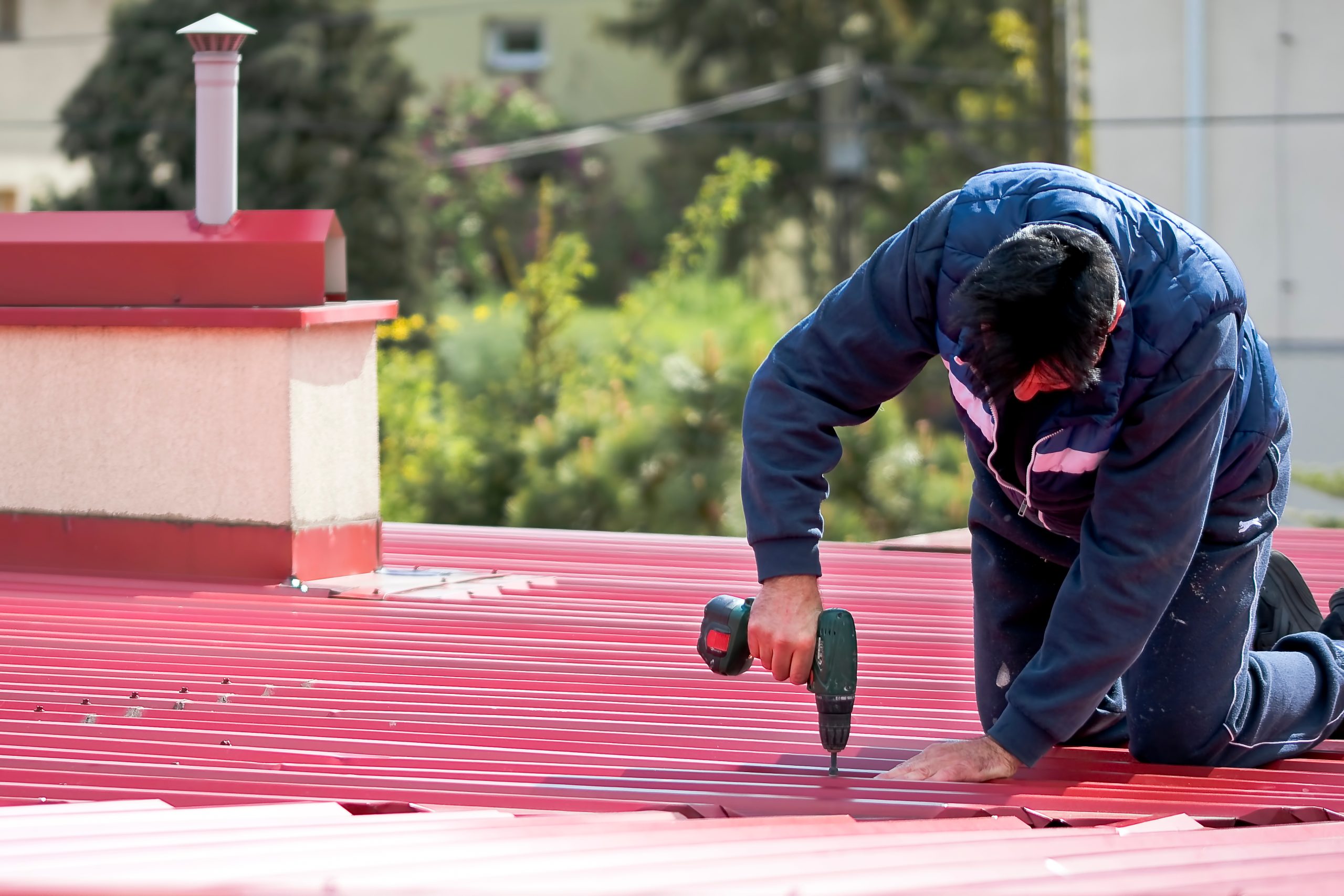
commercial roof maintenance guy repairs roof

Proactive Maintenance of Your Commercial Roof Matters. Here’s Why and How 


Your roof is one of your most important assets. It protects your people, your property, your profits — reliably, silently, day after month after year. That’s why commercial roof maintenance is one of the smartest investments you can make in your business. When you’re good to your roof, it will be good to you.  


Achieving the long-term performance you need comes down to a single word: maintenance. Regular inspections, prompt identification of issues, and immediate completion of repairs are central to preventive maintenance. This mitigates damage and extends the life of your roof.  


What to Think About When Thinking about Maintenance  


Knowing what’s happening with your roof is central to keeping your facility in top-notch shape. Here are several things to keep in mind.   

Develop an ongoing relationship with a professional roofing contractor.

Often that’s the company that installed your roof. They’re already familiar with you, your property, and your business. So they’re in the best position to know when something is wrong. Another good idea is working with an outfit from your area. This way they will be familiar with everything from local weather to governmental regulations. And should you need to find a different partner, be sure to thoroughly check credentials and experience. Commercial roofing is not a job for amateurs. So you want to work with knowledgeable pros.   

Establish a schedule of periodic roof inspections and stick to it.

For commercial properties, the National Roofing Contractors Association recommends twice a year. Spring and fall make sense to find damage that may have occurred during harsh winter blizzards and volatile summer storms. In case of extraordinary events like a tornado, nearby fire, break-in and vandalism, or any unexpected occurrence, contact your inspector immediately to take a look. Having your facility manager spot-check your roof in between major inspections makes sense as well.  

when to scheduke your commercial roof maintence appointment

Know what kind of roofing system is atop your building.

Many inspection and commercial roof maintenance activities apply to every structure. But you might have different systems with variations in requirements and weaknesses. For example, spray polyurethane foam (SPF) is susceptible to UV deterioration. While the gravel layer topping built-up roofing (BUR) can be loosened by severe wind and rain. Things like seams that pull apart, gaps between flashings and HVAC vents, and seals around drains and cornices can differ by roofing system. Eventually all may weaken and fail over time. By creating ponding on flat surfaces, drains blocked by leaves, dirt, waste, trash, or other debris are a problem for every roof. Make sure your contractor is knowledgeable about your specific system and its peculiarities. You should be too.  

Keep a log of all roof-related actions

Keep a log of all roof-related actions. Include written records, photos, videos, and CAD drawings of every inspection and repair. This is particularly important as your roof ages so you can keep track of what’s happened over time. Such knowledge helps you know which repairs are done over a roof’s lifespan and when replacement might make sense. Should you need to file an insurance claim or warranty adjustment, you’ll be asked to provide such information in detail. Plus, many policies and warranties require proof of periodic inspection to remain in force.  


Understanding the Inspection Process  


Setting up a contract with your roofing partner is the best way to make sure inspections happen semi-annually and on time. Some contractors offer multiple inspection and maintenance options at various price points. You can choose what’s best for you.  

 The Process

The contractor needs to follow an established process to ensure your inspection is thorough and careful. Using an inspection checklist is essential. You’ll want to review it ahead of time so you know what to expect. If you’re not familiar with inspection checklists, look online for samples. Many formats are available. You’ll want to make sure yours includes information (size, age, system, location) about your roof, details about roofing components (HVAC, stacks, drains, gutters), and a list of inspection items to be analyzed and described.  

 The Review

The actual review starts inside your building, as the inspector looks for evidence of leaks and water damage. Walking the rooftop follows, starting at the perimeter and working toward the middle. Now the inspector is looking for ponding, holes, cracks, gaps, blisters, uplifted seams, protruding nails, broken seals, loose flashings, lifted edges, litter, algae, and anything else outside the norm. The inspector may take a few core samples (which are repaired) of the roofing material. This helps determine the number of layers, type and age of the system, moisture saturation, and other relevant facts. Expect the comprehensive inspection of a flat, 20,000-square-foot roof to take about an hour.  

commercial roof maintenance on flat roof

A report follows, generally within a few days. This document describes findings, along with photos and videos. It details the roof’s overall condition, specific deficiencies discovered during the inspection. It also includes any repair recommendations and a quote for proposed work.  


In addition to the time-tested physical inspection process, new technologies provide even more detail about roof condition. These include drones that fly around your building’s exterior to record close-up footage of surface regions and infrared inspection. It uses thermal imagery to find signs of weakness or damage not visible to the naked eye. Your inspector will analyze data provided by these techniques and incorporate outcomes into their report.  


Investing Now Avoids Expense Later  


The cost of a commercial roof maintenance inspection varies. It depends on factors like roof size, type, age, accessibility, slope, number of penetrations, climate, building location, and more. Price is often calculated by size; between $0.05 and $0.10 per square foot is the norm. With the disclaimer that costs are volatile at this time (February 2023) and could well be more. Typically, the price for inspecting a 10,000-square-foot roof ranges between $500 and $1,000. Some contractors provide inspections free of charge, often as a prelude to doing whatever repair work is indicated as a result. Negotiating a long-term agreement for ongoing maintenance usually includes setting the inspection price upfront, which is efficient and hassle-free.  


Despite the temptation to stretch out inspection intervals or forego the process altogether, procrastination will cost you in the long run. So does putting off indicated fixes. Because left unattended, small issues can quickly grow into big, pricey repairs. The solution: proactive inspection and ongoing maintenance, for peace of mind that all is well.   

Commercial Roof Leaks & Causes

commercial roof leak
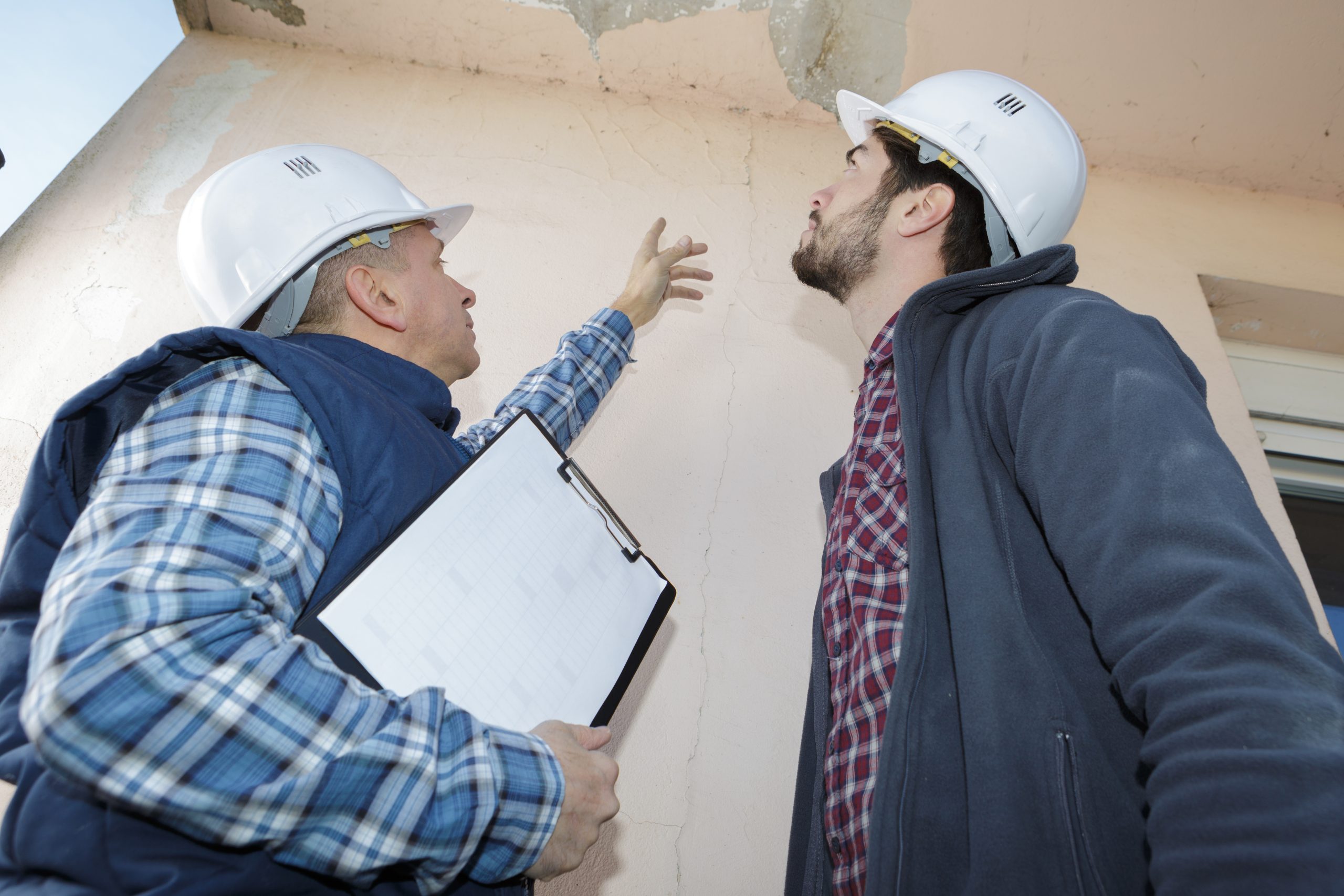
Engineers inspecting a commerical roof leak

Your Commercial Roof Is Leaking. Now What? 


Drip, drip, drip. As a building owner or property manager, that is not a sound you ever want to hear. But when drip, drip, drip happens, ignoring it has consequences that accelerate over time. And just in case you’re thinking about ignoring the problem, consider this: 70% of commercial property damage comes from water intrusion. In other words, commercial roof leaks matter, a lot.  


How Leaks Happen  


Sometimes leaks are obvious, like when a tornado, hurricane, blizzard, or other devasting event punches an actual hole through the roof into your structure. Weather is a top cause of commercial roof leaks, and when catastrophic damage happens, it must be addressed immediately.  


But there are plenty of less turbulent forces that cause leakage as they constantly impact your roof.  

 Bad Drainage

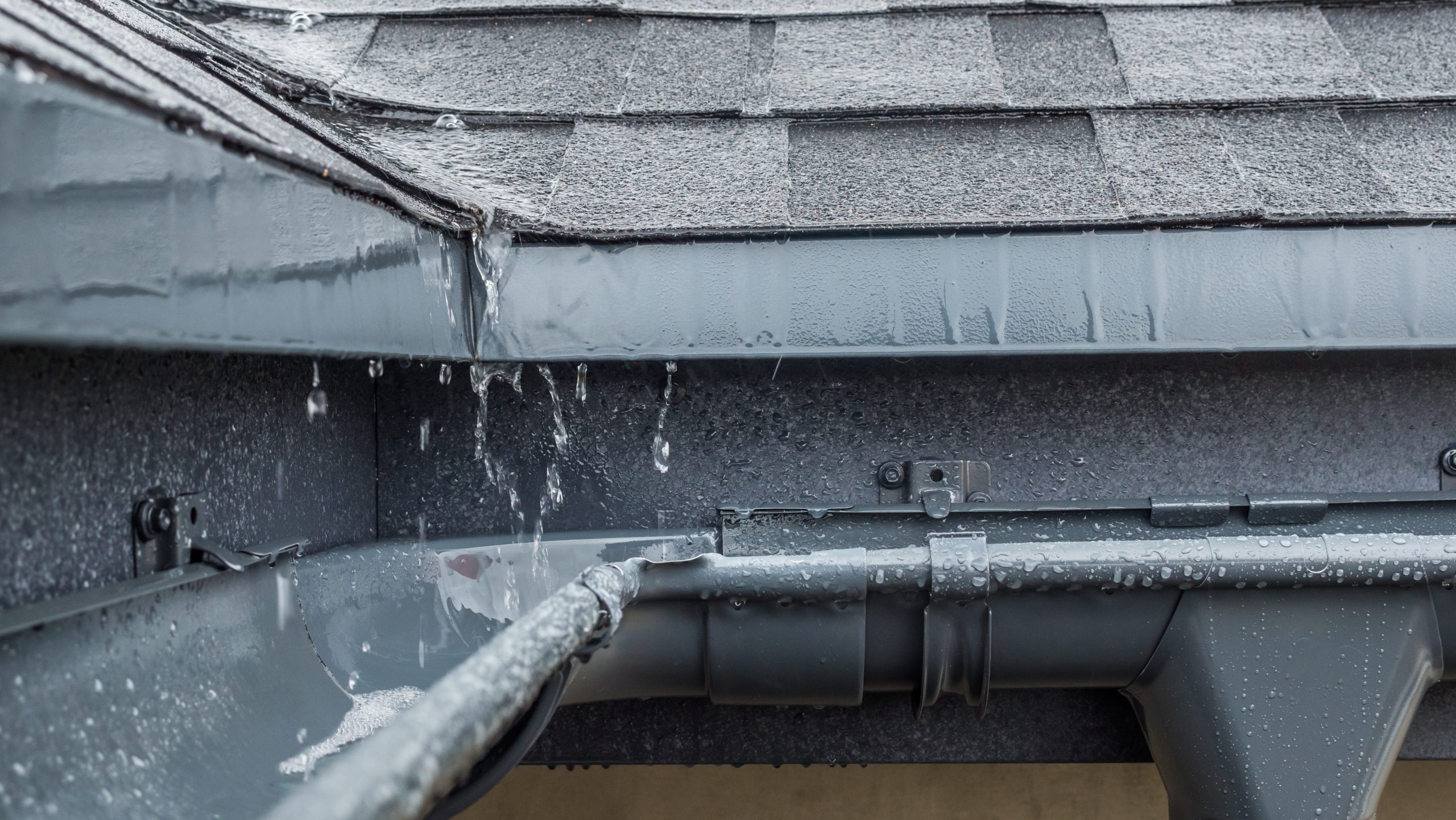
Bad drainage means that rather than channeling water off the roof’s surface, scuppers, gutters, and downspouts are blocked, clogged, and not working properly. As a result, water is pooling and staying on the roof rather than draining away from the building. Eventually such pooling deteriorates the roof’s structure as water seeps through cracks, crevices, and weak spots to find a path to lower ground. Ponding water also puts weight on your roof. A mere one-inch-deep pool of water weighs more than 5 pounds per square foot of surface area; multiply that over a 25-foot-wide puddle to understand how quickly the stress on your building adds up. Ice dams cause similar problems, as do snow melt and refreeze.  

Material Damage

Material damage to the membrane that covers your roof, the base substrate under the membrane, and/or the flashings that seal the perimeter are common causes of leaks. Over time, the membrane can crack, split, or shrink, compromising its integrity. Heavy foot traffic, debris, UV rays, and pollution are often at fault. Breaks in the membrane expose the substrate, allowing damage to spread. Flashings are thin strips of metal or similar material that protect the membrane’s edges and seal the joints between different parts of the roof. Over time, flashings expand and contract with temperature changes and are loosened by storms, inhibiting their capacity to prevent water seepage into the building’s interior.  

Deteriorating Seals

Deteriorating seals around penetrations for HVAC units, conduits, drains, hot stacks, skylights, vents, and other protrusions let water penetrate the membrane and spread inside the building. Each hole must be sealed properly and tightly around the penetration, with closures monitored and maintained over time.  

Aging

Aging is a fact of roofing life. Commercial flat roofs typically last 15 to 20 years; after that, even with proper maintenance, they deteriorate beyond repair and need to be replaced.  

Improper Installation

Improper installation or system mismatch can compromise a roof from the outset. Commercial roofs are complex structures that require installation by qualified, knowledgeable contractors to function properly. Different types of systems are available, with SPF (spray polyurethane foam), BUR (built-up roofing), and single-ply membranes (EPDM, TPO, and PVC) most common for commercial purposes. But which type of roof is appropriate for what application is a complicated decision that impacts every aspect of your facility.  

spotting a commercial roof leak

Why Leaks Matter  


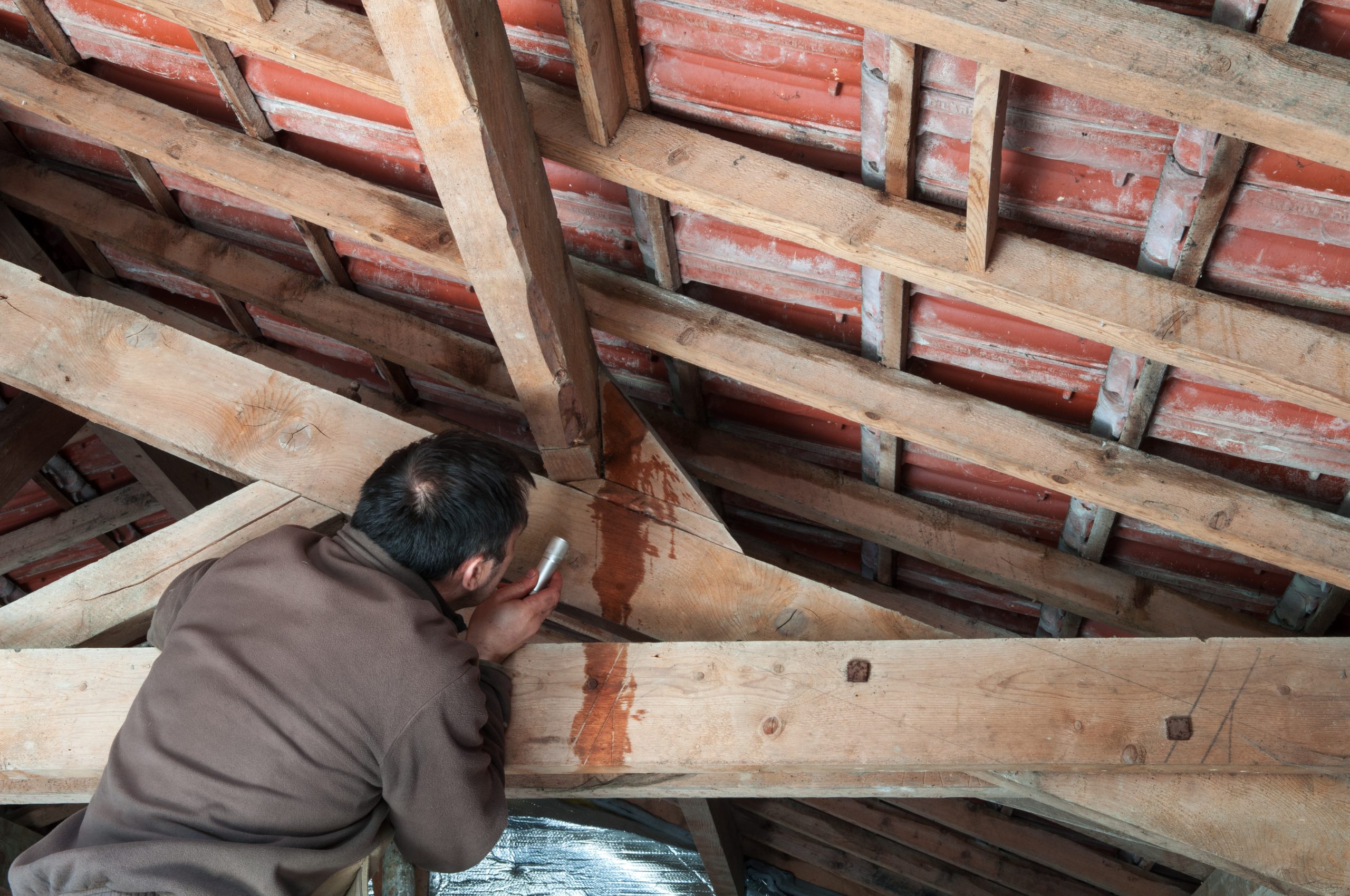
Anytime water is visible within your building, your roof is leaking somewhere. Understanding that is important for a number of reasons, starting with customer and employee health and safety concerns. Water is a hazard but often difficult to see, especially in small puddles on the floor. A wrong step can cause a slip-and-fall incident, with potential injury and lawsuits as a result. Growth of mold and mildew in damp spaces is another risk, especially for those with respiratory illnesses or immunity concerns. Water stains on walls and ceilings are not only unpleasant to look at; if severely damaged, building materials like drywall and ceiling tiles can actually rot and fall.   


The same is true for the wood framing, joists, trusses, and rafters that make up the framework of your building. Wood absorbs moisture, causing it to expand and contract, affecting structural integrity to the eventual point of collapse. Electrical wiring is equally vulnerable. Over time, water exposure causes moisture-proof coatings to become brittle and crack, exposing the wiring beneath. Outlets, fixtures, panels, and switchboxes can short out, spark, and trigger a fire, which is a disaster no one wants.  


Higher energy bills are yet another indicator that your roof is no longer fully intact. Water-saturated insulation caused by leakage can lead to a 40% loss in R-value; before long, this expense shows up in inflated costs as you try to keep your building property heated and cooled.  

building inspectors identify roof damage

What To Do  


Sooner or later, most commercial roofs leak. Handling the issue quickly and efficiently is key to containing damage and keeping repair costs under control. Several steps make up your action plan.  

 Don’t panic but take the leak seriously

Commercial roof leaks inevitably get worse, so dealing with them as soon as possible means the roof should be repairable. But be prepared and have emergency funds available so you can act fast. 

Clear the affected area of people, supplies, and equipment

That confines damage to the smallest possible space and protects valuable resources. Collect water in a bucket and mop frequently to keep the floor dry. If you have large, heavy objects that can’t be moved, cover them with plastic to prevent damage.   

Pinpoint and mark the source of the leak

Try to do this while it’s still raining or snowing so you know where water is coming in. Once the area dries, finding the intrusion is tough. When conditions are safe, get onto the roof to check for ponding; also make sure drains, downspouts, and gutters are clear and working properly. While you’re at it, look for other problems, just in case.  

Contact your roofing contractor partner

Contact your roofing contractor partner to assess the damage and determine the repair. Then get the roof fixed promptly and professionally before damage spreads.    

Talk to your insurance agent

Talk to your insurance agent and review your warranty. Depending on the cause of the leak, coverage may be available to offset repair costs.  


Weather is a top cause of commercial roof leaks, and when catastrophic damage happens, it must be addressed immediately. To stay ahead of water problems, you want to set up a twice-yearly inspection and maintenance program with your roofing partner. Working with your contractor to maintain the integrity of your roofing system is the best possible strategy for protecting your facility and the people and property inside

Pros and Cons of Commercial Roofing Systems

commercial roofing pros and cons male worker picking up piece of roof

A Comparison of Commercial Roofing Systems—Process, Longevity, Pros and Cons 


Lots of options. Lots of variables to sort through. Lots of advantages and disadvantages. Lots of decisions are to be made.  


When it comes to figuring out what type of roofing system is best for your commercial property, you’ve got plenty of things to work out. Attaining your best results involves having a detailed understanding of your people and business. Also knowing your physical location and type of facility. As well as analyzing the roofing systems available to you. This includes upfront costs and long-term warranties. When it comes to actually doing the job, the use of top-quality materials and installation by qualified professionals is a must. So is performing both routine maintenance and taking care of immediate emergency repairs over the long haul.  


To help with all that, check the chart for an overview of six common commercial roofing choices. We’ve also included a brief description of the processes and estimated longevity. There is also a listing of pros and cons associated with each one.  

Pros and Cons of Commercial Roofing Systems 


TYPE OF ROOF  PROCESS  PROS  CONS  LIFESPAN 
Built-up Systems  
 

BUR ‒ Built-up roofing 

Commonly called tar-and-gravel, roofs are built of multiple, alternating layers of bitumen (asphalt) and reinforcing fabrics. They’re topped with a protective layer of gravel or stone. In use 100+ years, BUR offers well-proved effectiveness.  
  • Strong protection from UV rays increases energy efficiency of property  
  • Number of layers is adjustable to each situation. More layers = better protection  
  • Low maintenance is required over roof lifespan  
  • Good fire resistance built in 
  • Excellent for very large commercial properties. BUR is more affordable than newer, synthetic systems  
  • Installation is hot, messy, slow, labor-intensive, with hazardous materials, fumes, disruption of business activity 
  • Heavy materials add weight to building  
  • System can be susceptible to wind/water damage  
  • Leaks, tears are difficult to find, repair  
  • System is better suited to warmer than cold climates 
 

15-30 yrs. 


TYPE OF ROOF  PROCESS  PROS  CONS  LIFESPAN 
Built-up Systems (continued)  
 

Mod bit – Modified bitumen roofing  

Similar to BUR, mod bit has fewer layers, more adhesive options. Plys (layers) are sealed down to the roof deck or coverboard with no seams. Three different surfaces are available, mineral, foil, or laminate, with ceramic coating.  
  • System is strong, waterproof, airtight, tear-resistant  
  • Minimal maintenance is needed 
  • Mod bit is more affordable than newer, synthetic systems  
  • On-site installation is labor-intensive 
  • Dark color of materials absorbs heat, decreases energy efficiency 
  • Vulnerable to UV damage 
  • Supplemental coating is needed to improve energy efficiency 
 

10-20 yrs. 


TYPE OF ROOF  PROCESS  PROS  CONS  LIFESPAN 
Single-ply Membrane Systems 
 

EPDM ‒ Ethylene propylene diene monomer 

AKA rubber roofing. EPDM is a thermoset process using a membrane manufactured offsite with all ingredients incorporated into rolls of material. Chemically cross-linked polymers become rigid once applied. One layer of membrane is applied to the roofing substrate. Seams are sealed between membranes with mechanical fasteners.  
  • Rolls of membrane come in varying thicknesses to match material specifications to each property, situation  
  • Installation is easy since membranes are ready to place when delivered  
  • The system is not easily damaged by UV rays, is lightweight, durable, fire- and weather-resistant 
  • The membrane is resistant to leaks, punctures 
  • Seams between membranes can fail. Allowing moisture leakage into building 
  • Finished membrane is black. Looks like unfurled inner tube. Is not particularly aesthetically attractive 
  • While available, lighter colors are considerably more expensive  
 

15-25 yrs. 


TYPE OF ROOF  PROCESS  PROS  CONS  LIFESPAN 
Single-ply Membrane Systems (continued)  
 

TPO – Thermoplastic roofing  

Also a rubber-like membrane system, thermoplastic roofing is made of synthetic substances that soften when heated, harden when cooled, and can be reshaped over time. Seams are heat-welded, melted together for a dependable bond.  
  • Reflective white membrane repels sunlight, reflects heat, UV damage 
  • System resists corrosion, breakdown  
  • Seams are heat-welded/melted together for dependable bond  
  • Surface is resistant to mold, hail, fire, impact, air pollution. Providing long-term durability  
  • Laminating of top layer, narrow width of rolls produce weak points that can shrink, crack, deteriorate, leak  
  • Fire-resistance is low, requiring integration of proper retardants  
  • Uneven quality of materials, variations in thickness lead to consistency problems  
 

7-20 yrs. 


PVC ‒ Polyvinyl chloride  

This is another type of thermoplastic system. Two layers of PVC material are reinforced with polyester plasticizers. Placed between plys to provide UV stability, flexibility, and prevent curling. Heat-welding keeps seams securely adhered together.  
  • Roofing is durable, flexible, energy efficient  
  • System is resistant to moisture, fire, pollution, wind 
  • PVC is well suited to fluctuating climates, varying natural settings  
  • Materials are recyclable, eco-friendly  
  • Upfront cost is higher than some other systems 
  • Membrane tends to shrink over time, pulling apart at seams, corners, causing leaks 
  • Older roofs may shatter, puncture, be difficult to repair 
 

15-30 yrs. 


TYPE OF ROOF  PROCESS  PROS  CONS  LIFESPAN 
Spray Foam Systems  
 

SPF ‒ Spray polyurethane foam  

A specialized system, SPF blends two chemical elements together under heat and pressure. Forming a plastic that transforms from liquid to solid within seconds. Expanding 30 times in volume as it dries. Once hardened, a fully adhered roof surface results. The foam must be covered with an elastomeric coating of silicone, acrylic, urethane, or butyl rubber. Finished with a layer of crushed stone granules to prevent damage from UV radiation and other elements. Each roof is custom-created on-site and endlessly renewable with careful maintenance and regular elastomeric recoating. 
  • Highest R-value of any roofing for energy efficiency that saves on both heating and cooling costs  
  • Expansion properties of foam make it self-forming around protrusions (no vulnerable flashings, fasteners, tape). Formable to channel water and prevent ponding 
  • Gaps, nooks, crannies, overlaps are sealed to make roof water- and airtight 
  • System is lightweight, with good tensile strength 
  • Depth of foam can be increased for greater energy savings, weather-resistance 
  • Installation creates few business disruptions, can be installed over most existing systems 
  • Installation must take place in temperatures above 50 degrees, with low humidity, calm wind, in order for foam to form correctly  
  • Technicians must be properly trained, use highly specialized equipment for desired chemical reaction to occur  
  • Initial cost is higher than some other systems 
  • Elastomeric coating must be reapplied every 10 to 15 years to maintain integrity of system 
  • Semi-annual inspections, immediate repairs are recommended to correct issues from debris, foot traffic, weather, UV radiation  
 

25-40+ yrs. 


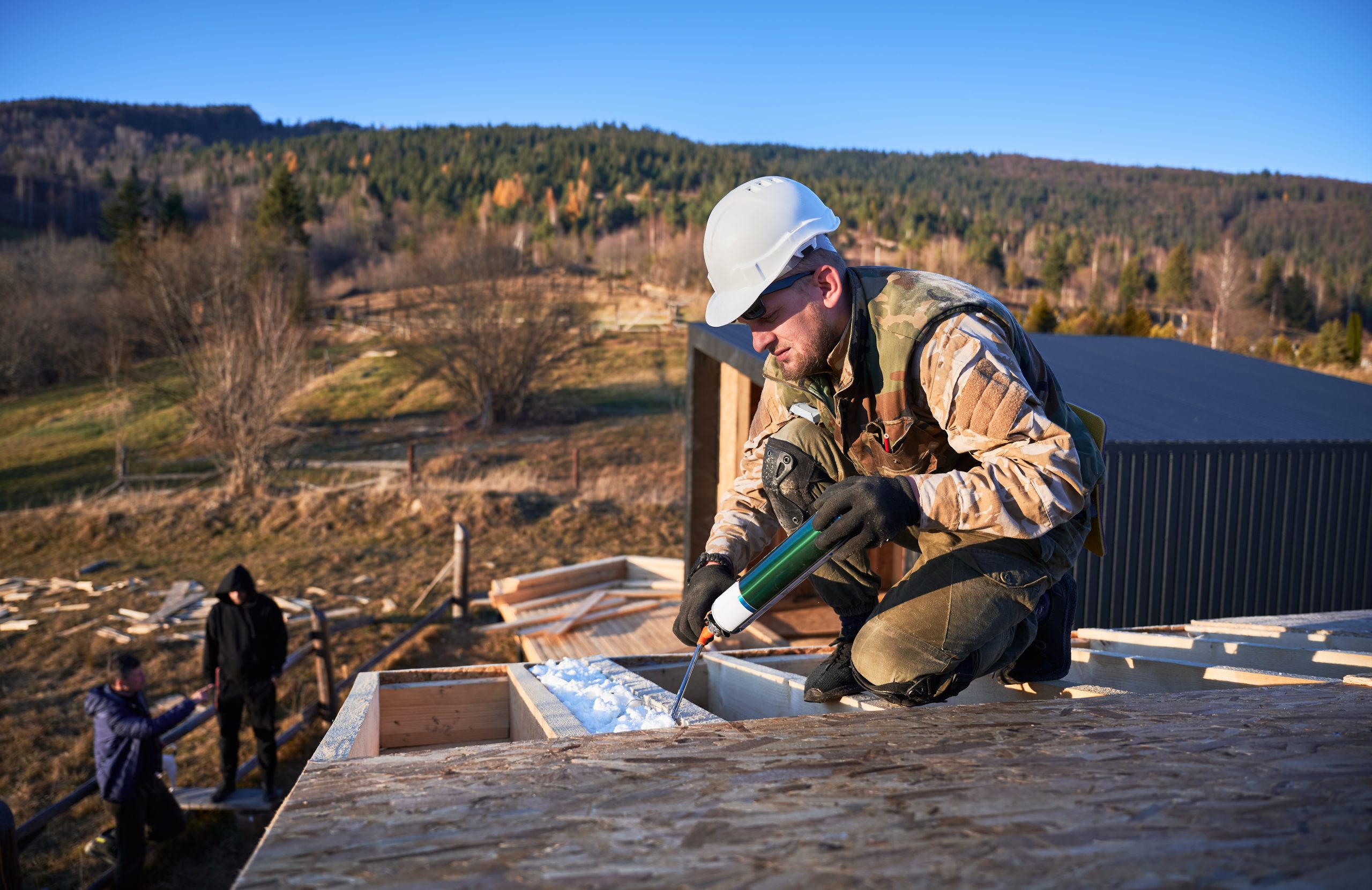
Male builder doing thermal insulation on roof of wooden frame house. Man worker spraying polyurethane foam on rooftop pros and cons of commercial roofing

It should be noted that costs vary widely and are subject to volatility. At this writing (December 2022) per-square-foot pricing ranges from $2.00 at the low end to $10.50 or more at the top. Always work with a knowledgeable, qualified professional to get the roofing system that works best for you.  

Types of Commercial Roofing

Types of Commercial Roofing - Beige Commercial roof

Commercial Low-Slope Roofing Basics – What You Need to Know 

Commercial roofs are complicated. That’s because every instillation is essentially a custom application designed for a specific situation. Each solution must accommodate a complex combination of factors – the size of your building(s), age, purpose, location, climate, people, equipment, surroundings – which are constantly interacting to protect the structure and what’s happening inside.  Find out which types of commercial roofing are right for you.

 Since you’ll be living with your roofing decisions for a long time (15 to 40 or more years), you want to understand the options available to you, including what and how each type of commercial system works. Since the majority of commercial roofs are of the low-slope variety, this discussion focuses on those types of systems. And please don’t call them flat because they’re not. To work properly, a commercial roof must be slightly sloped. Typically, that means having a minimum pitch of one-fourth inch vertical to twelve-inch horizontal (¼:12 or 2 percent), but that can vary depending on the setting and roofing material. Roofs are considered low-slope up to 3:12 pitch.  

Figuring out your ideal slope and the myriad other details associated with commercial roofing is why your best advice is to work with a qualified, experienced professional. He or she understands everything about roofing and can apply expertise developed through years of experience, industry training, and local knowledge to your situation.  

What’s Under Your Roof Matters  

It’s easy to think of your roof as what you can see. The reality is, multiple layers are involved in making your roof work.  

  • Structural decking is the bottom layer, forming the backbone of the entire system. Steel is the most common roof deck in U.S. commercial buildings, although this foundation must be carefully matched to each structure in order to give adequate support to all the materials and activities on top.  
  • A vapor control layer helps prevent water condensation from forming and reaching interior walls, ceilings, and attics, where it can cause structural elements to grow mold, rot, and collapse. Usually made of plastic or asphalt, a vapor barrier is especially important in northern climates where exterior temperatures are colder than those inside.  
  • Thermal insulation is a layer of material installed under the roof’s surface to create a barrier between inside and outside forces. It’s important to managing heating and cooling costs.  
  • Coverboard, while not always required, can improve the quality and extend the life of a roof. Made of gypsum or high-density polyiso foam, this thin, dense substrate goes directly below the surface, adding puncture resistance and protecting from hail, foot traffic, tools, and other intrusions that can damage the roof.  
  • The roofing membrane is the outer, top layer of a low-slope roof, sealing, waterproofing, and protecting the entire roofing assembly.  
Types of Commercial Roofing Material Comparisons - Standing-Seam Metal Roof

What’s Happening on the Surface Impacts Roofing Design  

 What goes on atop the membrane is an essential part of planning the correct roofing solution for you. 

  • Size and weight. The fact that commercial buildings are often large structures with huge roof surfaces is an important part of the design equation. Relatively lightweight roofing materials are essential in order for the building to support the weight.  
  • Water. Getting water, snow, hail, and anything else liquid off the roof quickly can be a challenge because low-slope systems may not easily drain. Standing water can cause leakage and also add dangerous weight, making an efficient drainage system essential.  
  • Foot traffic. Commercial roofs generally house HVAC equipment, solar panels, ventilation fans, skylights, cooling towers, and more on the surface. These add weight and require penetrations of the roof. Service and repair technicians will need to access these items from time to time, creating foot traffic and increasing the likelihood of punctures to the membrane. Making the surface durable enough to resist such damage adds much-needed longevity and functionality.   
  • Weather, UV rays, seasonal changes, wildlife. Weather, especially storms and sunlight, is one of the main things that can degrade a roof. Birds and other wildlife also cause damage. Every commercial roof must be designed to withstand the climate; reflective outer surfaces are particularly important to controlling the interior environment.  

With all that going on, it’s easy to see why commercial roofing is such as challenge to design and maintain.  


Three Types of Low-Slope Systems Are Commonly in Use  

Single-ply roofing, built-up roofing, and modified bitumen roofing are the systems most commonly used in commercial, low-slope installations. Each has advantages and disadvantages, so you want to thoroughly investigate which application is appropriate for your situation. Your professional roofing consultant is a great asset in that regard.  

  • Single-ply roofing is a type of membrane that is manufactured offsite with all ingredients already incorporated into rolls of material. Launched in the 1965 when the first EPDM roof membrane was created (more about that below), single-ply systems consist of one layer (or ply) of membrane applied to the roofing substrate. Several types of single-ply roofing are in common use.  
    • Thermoset roofing incorporates polymers that are chemically cross-linked or vulcanized and is rigid once applied. EPDM (ethylene propylene diene monomer) is a type of synthetic rubber that for roofing purposes comes in varying thicknesses, in rolls up to 50 feet wide and 200 feet long. Lasting 15 to 20 years, EPDM roofs are durable, cost-effective, and fire- and weather-resistant. Downsides are seams between membranes that can fail and a utilitarian rubber look that’s effective but not particularly attractive.  
    • Thermoplastic roofing is made of synthetic substances that soften when heated, harden when cooled, and can be reshaped over time. It comes in two types: TPO (thermoplastic polyolefin) and PVC (polyvinyl chloride); the latter includes added plasticizers, the former does not, giving each unique properties suited to various situations. Both substances are impact and chemical-resistant, with a highly reflective white membrane that repels sunlight and helps energy efficiency. While upfront costs are higher than other options, long-term durability (20+ years) helps offset initial investment.  


  • Built-up roofing or BUR has been around for more than 100 years so is obviously very effective. This tar-and-gravel system consists of multiple, alternating layers of reinforcing fabrics adhered with asphalt and topped with a protective layer of gravel or stone. Because BUR is manufactured on the roof, this method is hot, messy, slow, and disruptive. It’s also heavy and leaks and tears are difficult to find and fix. Affordability is a big upside, along with as many built-up, redundant layers of protection as you want.  
  • Modified bitumen roofing is similar to BUR but with fewer layers and more adhesive options. Plies are sealed down to the roof with no seams, making the system strong, energy-efficient, and tear-resistant. But it’s not inexpensive, can be vulnerable to UV damage, and is prone to breakdowns if water is allowed to pond.

Like we said at the beginning: commercial roofs are complicated, as these brief descriptions make clear. And while each of these low-slope systems is effective, choices regarding which one to use must be site- and purpose-specific. The reward is knowing your facility is well protected and the valuable activity inside it secured.   

What to Do with Commercial Roof Leaks

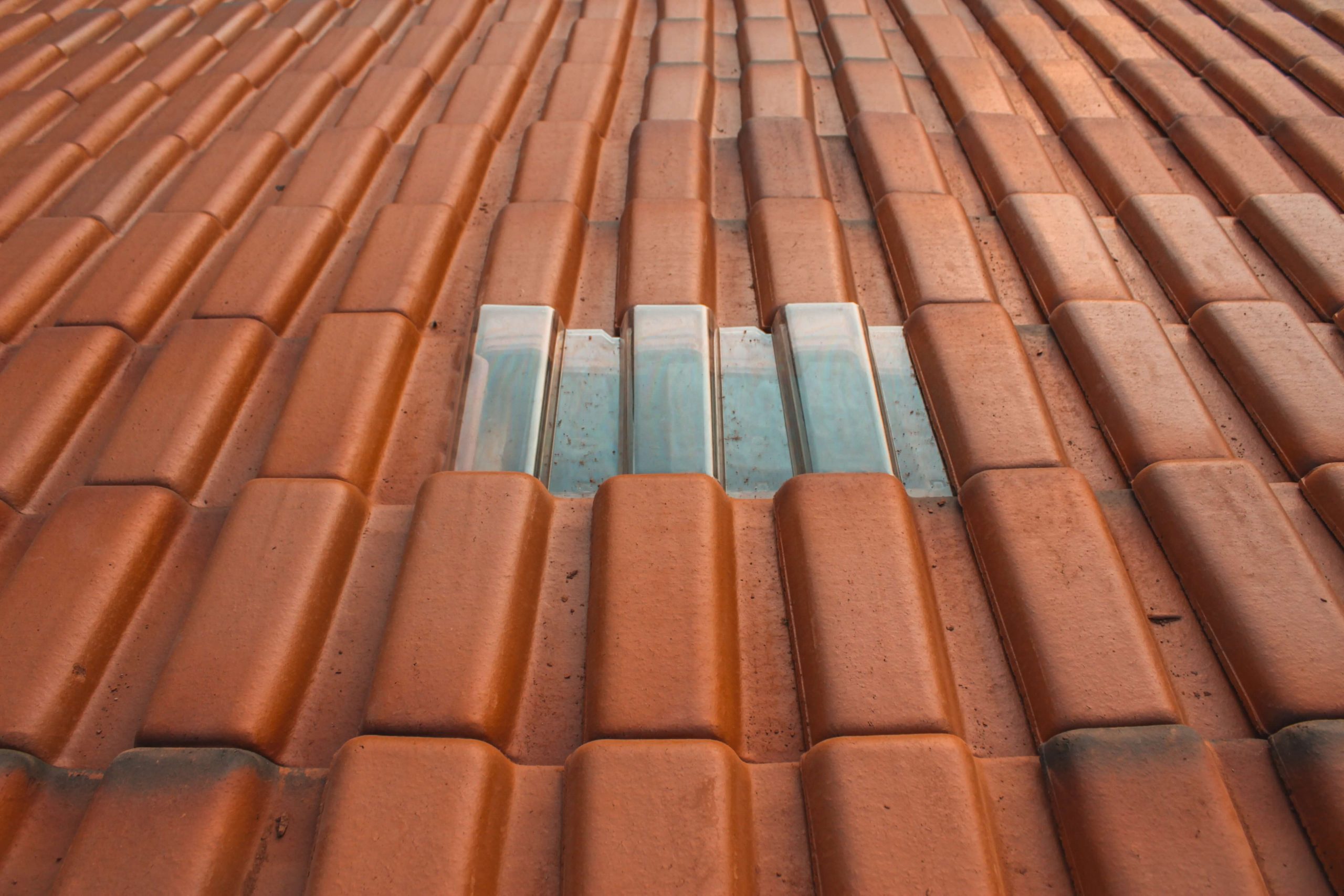
How to Choose the Right Roofing Contractor - A close up shot of rust-colored roofing material with a silver-colored rectangle in the center. Commercial Roof Leaks.

Three Steps Summarize What to Do When Your Commercial Roof Is Leaking  


Often It starts small, with a drip in a doorway, a wet streak down a wall, a damp spot on the ceiling, a puddle on the floor. While shrugging off water intrusions as a simple annoyance or minor anomaly is common. That’s not a wise response. The appearance of a leak in your building is a clear indicator that something is wrong with your commercial roof. That’s a problem that can quickly compromise your capacity to do business and endanger your employees. What you should do is easy to remember: Figure out why; get it fixed. The best way to do that is by following three basic steps to fix your commercial roof leak 

1. Pinpoint the Cause 

You may be asking yourself “What do I do with a Commercial Roof Leak?”

Any number of things could be the source of your roof leaking. A climate-related disaster is obvious. Even the toughest roofing system can’t fully withstand tornado-force winds, grapefruit-sized hail, hurricane-heavy rainfall, flying debris from disintegrating structures, or multiple feet of blizzard-driven snow. Fortunately, such natural catastrophes are rare.  


More common are minute tears in a commercial roof’s surface or failures in flashings around penetrations for vents or skylights and along valleys and ledges. These may be small or hidden, which makes them lots tougher to identify. When such breaches happen, you end up with water running down your inside walls. Clogged drains, gutters, downspouts, and scuppers are another common issue. Water needs to move off your roof as quickly as possible rather than ponding for any period of time. Other common issues: Malfunctions with plumbing, heating, and cooling units housed on the commercial roof. Damage to the waterproof membrane from weather, foot traffic, trees, animals, and other situations. Flaws in the roof design or construction allow water to get through and saturate what’s below. Age is always a factor. Most commercial roofing systems last from 15 to 20 years. But at a certain point, they simply wear out.  


When a commercial roof leak happens, your most important asset is an experienced, qualified, well-trained roofing professional. You want someone who is thoroughly versed in all types of commercial roofing systems. Someone who knows how and why they work. He or she stays on top of technical advances in the field and utilizes sophisticated detection equipment to diagnose your problem. Understanding local weather and working conditions and being current on regional codes and governmental regulations is required. Having financial information available is also important because the reality is, roof projects cost. Ideally, you already partner with a roofing contractor for annual roof inspections and routine maintenance. Then, when a special need arises, a pro who is well-acquainted with you and your business is quickly on the job.  

spray foam insulation types

2. Minimize Interior Damage  

Taking quick action as soon as you detect water in your facility is important to containing the damage and controlling costs. Be sure to: 

  • Mark the leak’s point of entry while it’s occurring, using colored tape or chalk or some other substance you can easily see. Later, you may not be able to locate the leak when the water stops, and the area is dry. These visible marks help you and your contractor avoid wasting time hunting for the source. Remember that water is sneaky. It can run under a ceiling or flow along a pipe until a leak shows up far from the actual cause.  


  • Alert employees, get them away from water, and cordon off affected areas. Slip-and-fall incidents are largely avoidable with such simple precautions. Keep customers away too. Be vigilant for musty odors or foul smells as indicators of mold behind a wall or in overhead insulation. And keep people out of such areas so health is not at risk.  


  • Protect equipment, electronics, furniture, supplies, merchandise, artwork, and other goods by moving them out of the affected area. If items are too large or heavy to move, cover them with a tarp. Tarp the roof outside also to keep more water from coming in.  


  • Do a full walkthrough of your entire property to look for other leaks in the facility. Problems in one area could well be indicative of weaknesses elsewhere. If possible, complete such an inspection while it’s raining or snowing or blowing so it’s easier to spot signs of leaks.  


  • Call your insurance agent to discuss what’s covered under your policy. Interior damage from a roof leak may be included, as well as the cost of the repair. Review your warranties also. Depending on the cause of the leak, coverage related to materials and/or installation may be available. Your roofing partner can help in this regard. Be sure to take photos so you have documentation of what’s happening inside and out.  

3. Complete the Repair  

To minimize damage and losses, you and your roofing partner want to get a repair plan in place. Usually, that involves one of three options. Depending on the severity of the issue, you’ll repair the damaged area; restore the top coating or membrane; or replace the entire roofing system, including decking, insulation, drainage, flashings, and other components. The latter solution is the most extensive and expensive, but if the roof is old and really worn out, blown off, penetrated, or heavily damaged by a natural disaster or fire, that may be your only choice. Repairing the affected area is much easier and may be as simple as clearing debris from gutters, downspouts, and drains. Or replacing flashings around penetrations, along edges, and across openings and cracks. Or fixing the damaged portion of the roof. Restoring the membrane involves repairing or replacing the topmost waterproof coating, either completely or in part.  


The importance of working with a trusted consultant becomes obvious at this point. Repairing a damaged area, for example, means matching new to existing materials since you can’t mix and match tar and gravel and TPO and PVC and EPDM in the same space. Restoring the membrane starts with knowing what kind of membrane is in place. Opting for replacement is a big decision that requires analysis of your entire enterprise. Cost implications are everywhere, from size and function of your complex, to accessibility of the roof, to the season of the year, to building codes, to long-term plans, to plenty more.  


Odds are that sooner or later, your roof is going to spring a leak. When that happens, work on the problem by following the Figure out why; get it fixed formula. That helps you resolve the issue quickly and keep your business functioning and robust.  


How To Get Maximum Lifespan from Your Commercial Roof

Commercial Roof Lifespan - Energy Shield

Commercial Roof Lifespan

Let’s say your spiffy new commercial roof comes with a 25-year warranty. That means you can step back and forget about the surface topping your building, trusting it to protect the people, materials, equipment, and ideas inside, right?

Wrong! 

Your commercial roof represents a substantial investment in your business, and like every other part of your enterprise, it requires periodic attention. You know your body needs regular care, feeding, inspection, and revision to operate at peak efficiency, especially over 25+ years. So does your roof.

Why EUL Matters

EUL is estimated useful life – the length of time you can expect your roof to last, otherwise known as getting as much bang as possible for your (considerable) bucks. Your roofing consultant will discuss EUL with you as you decide what type of roof is best for your business. It’s part of the complicated calculus of size, use, location, weather, energy, timing, materials, installation, codes, maintenance, cost, and myriad other considerations that impact the makeup of your roof.

Given such complexity, working with a qualified professional is essential. Applying expertise developed through years of hands-on experience, industry training, and local knowledge, he or she will emphasize that your roof is not a set-it-and-forget-it undertaking. Rather, it’s a highly functional, continuously active system that’s always on the job. Make sure your discussions include specifics about achieving maximum lifespan because there are a number of things to think about and actions to be taken to achieve EUL.

Keep Your Roof in Peak Condition

There’s a lot happening on the roof over your head. Paying attention to the many issues that impact it is essential to extending useful life.

Weather

From blinding blizzards to ranging thunderstorms with wind and hail, to summer days from balmy to baking, your roof absorbs everything mother nature dumps on it. Constant change is hard on your roof, and extreme events – heatwave, high wind, large hail, sleet and freezing rain, tornado – can cause real damage, like punching a hole through to the inside. Hot weather causes roofing materials to expand; they shrink when temperatures fall. Excessive snow load puts weight and pressure on a roof; so does ponded water. While you can’t do anything about the weather, you certainly need to be aware of what it’s doing to your roof and address any issues immediately.   

Design & Materials

The configuration of your roof and the materials used to construct it must match your application, taking into consideration everything from the size and layout of your structure, to what’s happening inside – factory, office, medical facility, school, warehouse – to your climate, location, and traffic. That’s why your certified commercial partner is so important; design and materials must be right for each situation because it’s different every time.

Installation

Just as important is how your roof is installed. Each type of roofing material (at least half a dozen are commonly used) comes with different requirements; flaws during the installation process can shorten life and void the warranty. The cheapest option isn’t always the best; spending more upfront to ensure proper design, materials, and installation pays off in savings over time.    

Ventilation

Although technically part of the design process, the need for proper ventilation is often overlooked. The attic space just underneath your roof needs to prevent the build-up of moisture, heat, and rot, especially when the summertime sun is baking your roofing materials. Make sure you’re talking about this upfront with your roofing consultant; having to correct problems after the fact is a costly complication you don’t want.

Maintenance & Inspection

Twice-a-year inspections by a roofing professional are recommended; in fact, some warranties and building codes require it. During an inspection, your expert will look over the membrane, surface conditions, penetration and wall flashings, gutters and drains, sealants, parapet walls, building structure, HVAC units, and more. Keeping track of the state of your roof detects any problems and notes gradual declines. More frequent viewings by a building manager or knowledgeable staff member make sense, especially after an adverse weather event or when workers have been on your roof.

Damage

Don’t ignore seemingly small tears, loose fasteners, mold growth, or spongey depressions. Minor issues can turn quickly into big problems, ultimately threatening the health of your roof and along with it, whatever goes on underneath. Any damage needs to be fixed immediately before escalation takes place.

Time

Even the best roofs are subject to deterioration, especially from weather and wear and tear. Age of your roof and where you are in its expected life cycle affects what you need to do to keep it working efficiently.

Debris & Traffic

Tree branches, gravel, litter, leaves – all that and more can blow or fall onto your roof. Remove any foreign objects immediately. Prune nearby trees and clear gutters and downspouts. Keeping the roof clean is especially important if you have a coating that reflects sunlight and UV rays. The coating isn’t effective if it’s covered with junk. If people are on your roof for any reason, like repairing or upgrading HVAC, check when they’re finished to make sure there’s no inadvertent damage or tools left behind.

Warranty

Understanding the duration and coverage of warranties is another factor in roof maintenance. Often separate warranties cover materials and installation; many are pro-rated by the age of your installation. But they’re essential to roof well-being, especially in paying for repairs should something go wrong. Your roofing professional must thoroughly understand the warranties that apply to your structure and educate you as well.

Building Codes

Most municipalities maintain building codes for commercial structures. You need to know what applies to you. Being out of compliance can result in fines and penalties or even shut you down. The purpose of codes is to protect the community and ensure safety; they also protect you by making sure your place of business is sound.

The life of your commercial roof is dependent on all these factors, each interacting with the others, through all kinds of weather, over an extended period of time. Working with a certified contractor, taking preventive measures, and addressing issues immediately delivers the long lifespan you want and need.

How Do You Know When to Patch, Repair, or Replace Your Commercial Roof?

Commercial Roof Repair & Replacement - Energy Shield

Commercial Roof Repair & Replacement

The simple answer is – when it leaks.  

Leaks indicate a compromised roof. That somewhere overhead there’s damage – a tear, a hole, a weakness, clogging, weathering, wear-and-tear. And while other indicators of roofing problems may be present, leaking – weather drips, seeps, stains, ponds, waterfalls, or mold (to name a few) – is a warning that should never be brushed off or ignored.  

Let’s look at some of the factors you need to consider in determining what to do for your commercial roof, whether it be repair or replacement. For purposes of this discussion, we’re focusing on the flat roofs found atop apartment buildings, big box stores, factories, offices, strip malls, warehouses, and similar commercial structures.

Figuring Out What’s Wrong and Why 

This is not always as easy as it sounds. Although some causes are obvious, like a natural disaster punching holes in the roof or seams pulled apart by weathering and age, other problems are much tougher to find. Minute tears in the roof surface are a good example. These tears are difficult to see, but they let water get through. And water is sneaky. It can run under a ceiling or flow along a pipe until it shows up far from the point of penetration.  

The best advice is to consult with a qualified, experienced professional who understands everything about how and why roofs work. Applying expertise developed through years of experience, industry training, and local knowledge, he or she can pinpoint your issue and work with you to develop solutions for your commercial roof whether it be repair or replacement. Sometimes a repair is as straightforward as freeing up a blocked drainage system or fixing flashing around a vent. In other instances, a roof is just plain worn out. Aging is the single biggest reason a roof needs to be completely replaced.  

Determining the Type of Roofing Material  

On commercial structures, single-ply membrane systems are the most common material. These consist of a sheet of rubber or other synthetic substance secured to the roof frame and decking. Each of the three types of single-ply membrane roofs comes with pros and cons.

  • EPDM (ethylene propylene diene terpolymer) roofing is a single-ply rubber material that’s versatile, lightweight, durable, and easy to install and maintain. Reflective of UV rays, flexible in colder temperatures, and resistant to leaks and punctures, EPDM saves on energy costs and lasts 25 to 30 years.   
  • TPO (thermoplastic polyolefin) can be installed over almost any surface and is resistant to mold, hail, wind, fire, and air pollution. Reflecting heat makes TPO energy efficient. Life span is 15 to 20 years.  
  • PVC (polyvinyl chloride) offers excellent energy efficiency throughout 20+ years. Made of multiple layers of PVC and polyester, PVC roofing is durable and flexible, especially in fluctuating climates and varying natural settings. It is also fire-resistant, recyclable, and eco-friendly.  

BTU or built-up roofing is another option. This tar-and-gravel concept has been around for 100 years. Surfaced with gravel or stone, Bitumen Thermal Units consist of alternating layers of bitumen (asphalt) and ply sheets. Installation can be time-consuming, although the sealed surface is waterproof, energy-saving, and good for 15 to more than 30 years.

Another important consideration is decking .Decking can be wood, metal, or tectum composite. Condition often can’t be determined until a job is underway. Repair or replacement may be needed because quality decking is just as important as good materials and solid workmanship to longevity and durability of your roof.  

Clearly, roofing gets very complicated. This is why sorting out options with a roofing professional is so important. The best choice for another building may not be appropriate for your structure, and you need to know why. Your roofing consultant can assist you in understanding every aspect of your project, including the investment required. 

Estimating the Cost

Repairing or replacing your roof is a big investment. How big depends on lots of factors in addition to the ones mentioned so far. Among them:  

  • Size of your building and what happens there. The heat and vibrations of a factory making trucks puts very different stresses on a roof than kids coming and going to elementary school, and roofing must take that into consideration.  
  • Accessibility of the rooftop. The taller the building, the more difficult getting workers and materials to and from the job site becomes. Difficulty costs.  
  • Number and types of penetrations. Openings and flashing for installation of ducts, drains, HVAC, chimneys, plumbing, skylights, and vents are part of building function and roofing plan. More openings mean more money.  
  • Building codes. State, regional, county, and city requirements for everything from fasteners and fire resistance, to weather durability, energy efficiency, and wildlife interactions, must pass inspection and meet code. The stricter the code, the higher the price of compliance.  
  • Protection and disruption. During construction, the people in your facility must be shielded from equipment, injury, noise, and odors. That may translate to lost production, which equates to cost.  

Anticipating use, expansion, remodeling, and other changes to the property 2, 12, 25 years out impacts the roofing decisions you make today. Plus, the cost of materials and labor continues to go up, so acting sooner rather than later may save you money in the long run.   

Thinking EUL

That’s estimated useful life … essentially, the bottom line.  

To protect your investment, the roofing solution must be appropriate to your situation and structure, taking every item mentioned here, and more, into account. Expert installation by experienced crew using top-quality materials is essential. Inferior workmanship can compromise warranties. Be sure you know what your warranties cover and for how long. Stick to a schedule of regular inspection and maintenance. Even the best roof won’t take care of itself.  

Patching, repairing, or replacing your commercial roof is a complex process with lots of variables. The goal is getting maximum useful life from your venture, making sure your roof lasts a long, successful time.  

How Snow & Ice Impact Your Roof

How Snow & Ice Impact Your Commercial Roof

It is no mystery that certain weather conditions can destroy your commercial roof, and snow and ice are no exception. When you have a standard mechanically fastened roof with board insulation, warmed air from the inside of your building escapes through the cracks, holes, and seams. When the snow melts around those areas, here come the ice dams and leaky roofs.

Ice Dams

We all know that heat rises. The snow melts when the warm air rises to the roof. The snowmelt migrates to other parts of the roof, where it starts to freeze again, creating an ice buildup around the cracks and seams. It then forms a valley for water to sit and collect, and this water will eventually start leaking through the roof.

How to Prevent Damage

Spray polyurethane foam (SPF, or Spray Foam), or a silicone roof coating solution is an excellent way to combat the damage done by winter days. Not only will it insulate your commercial building, but it will also prevent your current roof, whatever the type, from succumbing to the harsh environment. Any existing holes and open seams will be filled, which will create a seamless air barrier to stop the snowmelt. If no warm air can escape, then there’s no snowmelt. Ice dams will not be able to form if there are no open seams, and leaks will become a thing of the past.

Energy & Cost Savings

Stopping air loss through the roof will reduce wear and tear on your HVAC system. All in all, you will be giving your commercial roof a lifetime of snow and water damage and corrosion protection, which can make your energy bills go down. And imagine saving even more money by avoiding a costly roof tear-off. Keep the warm air inside of your building every winter!

Environmentally Friendly Roofing Options

Environmentally Friendly Roofing Options - Energy Shield

Environmentally Friendly Roofing

Your commercial roof is exposed to harsh conditions like excess sunlight, heat, cold, rain, wind, and sometimes snow, sleet, and hail. If you’re lucky, your conventional roof will last you a good 20 years. When it comes to roofing, there are so many environmentally friendly options to choose from. If you’d like your roof to outlast traditional conventional roofing, consider an eco-friendly roof. In this blog, we’re going to outline the best options for your commercial building. Keep reading!


How Does Environmentally Friendly Roofing Benefit Your Commercial Building?

Environmentally friendly roofs come with several benefits for commercial building owners. The most appealing being the amount of money they can save. In addition, having an eco-friendly roof can help reduce your carbon footprint!  

A win-win for the environment and your wallet. 

Let’s talk about some roofing options to choose from.


1. Metal Roofing

One popular eco-friendly roofing material is metal, which can be made using recycled or new metal. Similar to other roofing materials, metal sheets have reflective properties which keep the sun’s rays away from the home. Metal roofs also have a longer life expectancy, making them a worthwhile investment. 

Remember, even though metal roofing is one of the most popular roofing options, it isn’t necessarily cheap! 


2. Silicone Roof Coating

Your roof protects you, so you should protect it with a spray foam or silicone roof coating. Prevent the issues that can cost thousands of dollars, intolerable working conditions, and an uncomfortable building. Roofing systems such as built-up roofing, elastomeric, weathered single-ply membranes, and mineral cap sheets, have many problems. From chalking, cracking, sagging, leaking, and splitting, the list goes on. 

A significant benefit of silicone roof coating is the ability to re-roof buildings without having to tear off the old roof.


3. Roof Restoration Solution

In addition to popular roofing options, our Roof Restoration Solution is another great eco-friendly roofing choice in which we recoat your current roof with spray foam insulation. With this method, we fill in gaps, seams, and sags with our spray foam insulation, depending on your individual building needs. By recoating and rebuilding, we’re eliminating both the cost associated with labor and the disposal fees. And of course, your carbon footprint is greatly reduced!  All of our spray foam solutions are environmentally friendly and do not contain ozone depletion potential (ODP) chemicals. There is zero Global Warming Potential (GWP), and these roof restoration solutions save on greenhouse gas emissions by not contributing to it at all.


Join the Battle to Reduce Your Carbon Footprint

At Stony Creek Services, we care a whole lot about the environment and make every effort in our roofing systems to reduce our carbon footprint. With an Stony Creek Services roof restoration, you can join us in helping to reduce the environmental impact on our world, one roof at a time.